Remote work is no longer a temporary trend—it has become a standard way many organizations operate. A large portion of the workforce now works remotely or in hybrid setups, and many businesses report strong productivity when the right systems and processes are in place.
However, remote work also brings challenges. Communication gaps, feelings of isolation, and blurred work-life boundaries can affect both productivity and employee well-being if they aren’t managed properly.
That’s why building a strong remote work culture is essential. In this guide, we’ll cover practical tips and best practices to help teams collaborate better, stay productive, and maintain a healthier balance while working remotely.
What Is Remote Work? A Look at the Past, Present and the Future
Remote work is a work arrangement where employees perform their jobs outside a traditional office, typically using the internet and digital collaboration tools to stay connected with their teams and complete daily tasks.
The Past
Before 2020, remote work was relatively uncommon and mainly limited to freelancers or certain tech roles. The COVID-19 pandemic rapidly accelerated its adoption, forcing organizations around the world to shift to remote operations almost overnight.
The Present
Today, remote and hybrid work models have become a normal part of modern workplaces. Many companies now allow employees to work from home either full-time or part-time, supported by digital tools that make communication, collaboration, and project management easier.
The Future
Looking ahead, remote work is expected to remain a key part of the global workforce. Businesses are focusing more on flexibility, digital infrastructure, and results-based performance, creating workplaces that combine remote, hybrid, and in-office work for better productivity and work-life balance.
Types of Remote Work
Remote work covers any job that can be done online, from web design and copywriting to running businesses. It excludes roles that need physical presence, though some in-person jobs, like therapy, have moved online.
Fully Remote Work
Fully remote work allows employees to work from any location, whether it’s their home, a café, a co-working space, or while traveling. Companies that follow this model focus on results rather than location, giving employees complete freedom to choose where they work best.
Hybrid Work
Hybrid work combines remote work and office time. Employees split their schedule between working from home and coming into the office on certain days. This model offers the flexibility of remote work while still providing opportunities for in-person collaboration.
Flexible Work
Flexible work focuses on when people work rather than where they work. Employees can adjust their schedules as long as they complete their required hours and responsibilities. This approach helps people manage personal commitments while staying productive.
Remote Work Best Practices for Employees
1. Set up an Ergonomic Workspace
Creating an ergonomic workspace is essential to prevent discomfort and enhance productivity. According to the Occupational Safety and Health Administration (OSHA), an ergonomic setup can reduce the risk of musculoskeletal issues.
An ergonomic workspace means that your desk and the things on it are arranged in such a way that they prevent injury and are well within reach and use. You should maintain a good body posture to stress your body less during long work hours.

For example, you can choose a chair with good lumbar support, position your monitor at eye level to avoid neck strain, and keep your keyboard and mouse at a height that allows your wrists to stay straight.
Following such practices would not only promote physical health but also help boost focus and efficiency during work hours.
2. Dress and Act Professionally
Even while working remotely, dressing professionally can significantly impact your mindset and productivity. Wearing work attire rather than casual clothes helps signal to your brain that it’s time to work.
In fact, research on Social, Psychological, and Personality Science suggests that wearing formal clothes can enhance abstract thinking and improve negotiation skills.
Acting professionally, such as maintaining regular working hours and adhering to workplace etiquette during virtual meetings also creates a productive work environment and demonstrates your commitment to your role and responsibilities.
3. Set Clear Goals and Prioritize Tasks
Setting clear goals and prioritizing your tasks is important to manage your time well and get your work done.
A study by Harvard Business Review found that people who write down their goals are much more likely to succeed than those who don’t. You can start by breaking down your tasks into smaller parts and deciding which ones are most urgent or important.
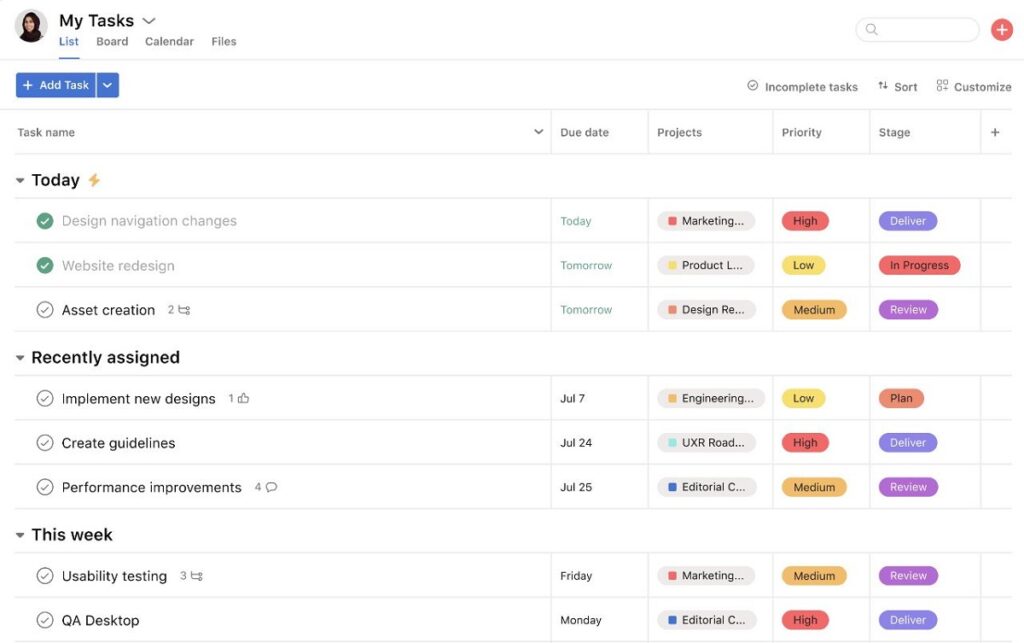
Tools like Trello, Asana, or any to-do list app can help you keep track of what you need to do and stay organized. Having clear goals not only helps you stay on track but also makes it easier to handle lots of different tasks at the same time.
4. Leverage Technology and Stay Connected
According to Buffer’s State of Remote Work report, 20% of remote workers have trouble communicating and working together.
In this scenario, using the right team productivity tools is important for staying in touch and working together effectively when you’re not working from the same place.
You need to put in extra effort to feel connected with your team. Tools like Slack to send messages, Microsoft Teams to work together, and Zoom for virtual meetings can help bridge this gap between workspace and teams. Using these tools can help make sure everyone stays connected and works well on projects.
Ultimately, these tools can help people work better, collaborate effectively, make things run more smoothly, and create a strong team bond even when everyone is working from different places.
5. Communicate Proactively and Seek Feedback
Teams that communicate effectively are 25% more productive.
Don’t wait for others to always come to you and strike up a conversation first. Instead, keep your team informed about your work, ask questions, and share your progress.
Seek feedback from others periodically on how to improve performance. Schedule regular check-ins and use video conferencing tools like Google Meet or Zoom for face-to-face interactions.
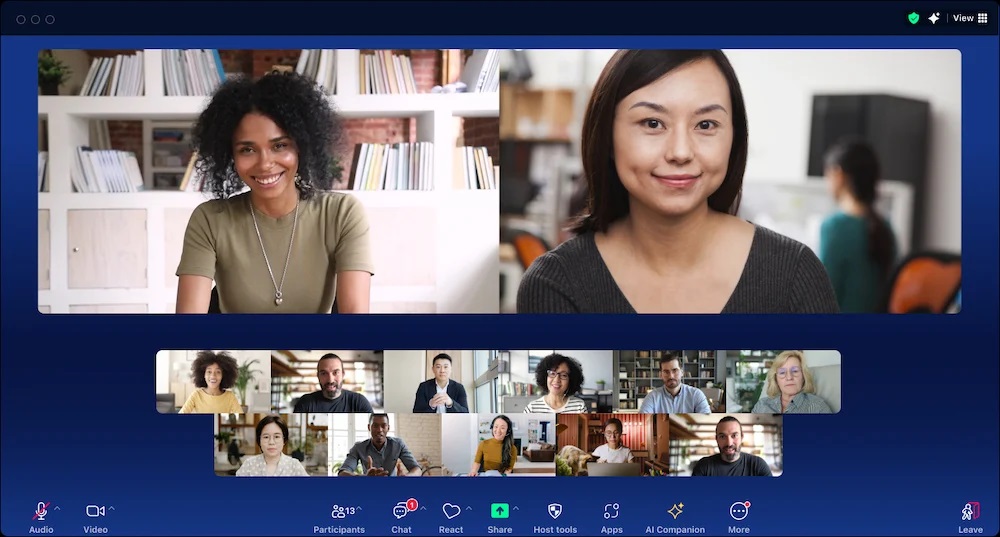
These practices help build trust and make sure everyone knows what’s going on, keeping the team working well together and making work more enjoyable for everyone.
6. Take Breaks and Focus on Work-Life Balance
Sometimes it’s hard to know when to stop working and take care of yourself, which can lead to feeling really tired and stressed. This is why drawing a line between work and personal life and finding a balance, especially when working remotely is really important.
It’s a good idea to take regular breaks and step away from your work for a bit.
Time management techniques like the Pomodoro Technique, which involves working for 25 minutes followed by a 5-minute break, can be highly effective and make you more productive than working without any breaks.
You could take a short walk, listen to some music, have a chat with a friend, or just take a few minutes to relax. When you go back to work, you’ll probably feel more focused and get more done.
Remote Work Best Practices for Managers
1. Establish Clear Communication Channels
As good employee communication is crucial for an organization’s success, it is required for managers to establish clear rules and communication channels where teams can engage.
Specify the purpose of each tool, set guidelines for response times, and schedule regular check-ins. For example, use Slack for quick updates and Zoom for detailed discussions.
Project management tools like Asana or Trello add another layer of organization. These platforms create a central hub for everything project-related, keeping everyone on the same page regarding tasks, deadlines, and ownership. This structured approach helps prevent miscommunication and keeps everyone on the same page.
Additionally, integrating pulse survey questions into regular check-ins can provide valuable feedback to gauge team satisfaction and identify any communication gaps that need attention.
2. Adapt Policies and Seek Feedback
Take a fresh look at your existing policies on work hours, communication, and performance evaluations. Do they still work seamlessly in a remote setting?
Moreover, engaging employees in policy development ensures the guidelines are practical and supportive.
You can schedule regular one-on-ones or anonymous surveys to gather honest feedback from your team. Ask them about communication clarity, workload distribution, and the tools you’re using. This two-way street helps you continuously improve the remote work experience for everyone.
3. Allow Flexibility & Freedom
When working remotely, various factors like time zone, availability of all team members, public holidays, etc impact the work communication system of the organization.
Instead of trying to micro-manage a remote team, managers should offer flexibility. Offer freedom with responsibility.
Set clear goals and expectations, and then trust your team to get the job done within established deadlines. This approach shows your team that you value their expertise and judgment, which can lead to a more motivated and engaged workforce.
Also, while offering flexibility, establish clear communication expectations around response times and availability. This ensures everyone can reach each other when needed without feeling pressured to be constantly “on.”
4. Encourage Team Building Activities and Social Interaction
The Cigna study shows the adverse effect of loneliness and stress on the productivity of employees.
To make sure your employees feel a part of the team, you should organize team interaction sessions and employee engagement activities. Schedule regular virtual coffee chats, game nights, or even happy hours to create opportunities for casual interaction and team bonding.
Use breakout rooms in video meetings for smaller group discussions or brainstorming sessions.
These lighthearted activities help build relationships and combat feelings of isolation. This allows for more focused interaction and fosters a sense of camaraderie beyond the main video call.
5. Monitor Workload and Performance Regularly
Regularly monitor your team’s workload and performance.
Set SMART goals (Specific, Measurable, Achievable, Relevant, and Time-bound) for each team member. This ensures everyone is working towards clear objectives.
Use project management tools for tracking progress on tasks and identifying potential bottlenecks. Schedule regular check-ins, either daily or weekly, to discuss individual and team progress.
This allows you to intervene early, address issues, offer support, and adjust team workload before burnout becomes an issue.
By keeping a close eye on workload and performance, managers can support their teams effectively and maintain high productivity levels.
6. Offer Training and Professional Development
Employees are more likely to stay with a company that invests in their development.
Provide resources and training opportunities for remote work skills like effective communication, time management, and project collaboration in a virtual environment.
Offer online courses or workshops to help employees stay up-to-date in their fields and develop new skills. This investment benefits both the employee and keeps your team competitive in the marketplace.
Creating a Suitable Remote Work Environment
A strong remote work environment doesn’t happen by accident. It’s built with clear communication, the right tools, and a culture that values trust and flexibility. When teams know what’s expected and have the freedom to work in ways that suit them best, productivity and engagement naturally follow.
For managers, the focus should be on creating systems that support collaboration and continuous improvement. Regular check-ins, transparent workflows, and flexible policies help teams stay connected while reducing the common challenges of remote work.
Most importantly, listen to your team. The best remote cultures evolve through feedback. When organizations actively ask employees what they need—and adapt accordingly—they create an environment where people feel supported, motivated, and ready to do their best work.