More than 60% of companies are now investing in workplace etiquette training for their teams.
Why? Because the way we work has changed. The shift from fully remote work during the pandemic to hybrid workplaces in 2026 means employees are constantly switching between virtual meetings, office collaboration, and asynchronous communication. Without clear behavioral norms, things get messy fast.
That’s why companies are doubling down on workplace etiquette. When employees understand the unspoken rules of how to communicate clearly, collaborate respectfully, and represent the company professionally, they become easier to work with and far more effective. It strengthens team relationships, improves morale, and helps people build a strong professional reputation inside the company.
Let’s break down how workplace etiquette actually improves productivity and collaboration.
What Is Workplace Etiquette?
Workplace etiquette is the set of unwritten rules that guide how professionals behave at work. It’s not usually written in an employee handbook, but everyone notices when it’s missing.
At its core, workplace etiquette is about respect, professionalism, and awareness. It shows up in everyday things: how you communicate with colleagues, how you show up to meetings, how you manage your time, and even how you present yourself. These small behaviors shape how people perceive you and whether they see you as someone easy (or difficult) to work with.

When teams follow basic etiquette, work simply runs more smoothly. Collaboration improves, misunderstandings drop, and the overall environment becomes far more productive. Of course, the specifics can vary depending on company culture, industry, and even country, but the core principles stay the same.
So let’s walk through 12 essential workplace etiquette tips every professional should know in 2026.
Why Workplace Etiquette Matters?
Workplace etiquette is crucial for building respect, clear communication, and strong relationships. Simple actions like greeting colleagues, listening carefully, and being courteous create a positive and professional environment.
It also boosts productivity, supports career growth, and enhances the company’s reputation. Respectful behavior reduces conflicts, fosters collaboration, and opens doors to leadership and advancement, making etiquette the foundation of a successful workplace.
12 Workplace Etiquette Tips to Follow at Work
1. Be Punctual
Always aim to arrive at your workplace a few minutes early for meetings and work shifts.
This demonstrates respect for your colleagues’ time and sets a professional tone. It also gives you a buffer in case of unexpected delays, such as traffic jams or public transportation issues.

If you think you will be late due to any urgency or unexpected changes, communicate the same to your lead, supervisor, and teammates as soon as possible. You can make a quick call or drop an email/message to explain the situation and your estimated arrival time.
This shows consideration, helps maintain a smooth workflow, and prevents confusion or frustration due to uninformed absence.
2. Listen Actively and Speak Respectfully
Active listening is a key communication skill that demonstrates respect and helps ensure understanding.
When someone is speaking, make eye contact, nod your head to show you’re engaged, and avoid interrupting. Pay attention to both the verbal and nonverbal cues of the speaker.
Once they’ve finished their point, take a moment to collect your thoughts before responding. When you speak, use a professional tone and clear, concise language.
Focus on delivering your message in a way that is easy to understand and avoids rambling or negativity. If you disagree with something, phrase your response constructively which offers solutions or alternative viewpoints.
3. Follow the Dress Code and Maintain a Neat Appearance
Your professional image has immense value in the corporate world. This makes looking presentable and dressing as per your company culture important.
Opt for clothes that are clean, ironed, and fit well. Avoid overly casual attire, such as ripped jeans, tank tops, or clothes with offensive slogans or images.

A neat and well-maintained appearance projects professionalism and creates a positive impression on colleagues, clients, and anyone you interact with during the workday.
If your company doesn’t have a specific dress code, it’s always best to dress more formally. This demonstrates that you take your role seriously and are mindful of the overall work environment.
4. Follow Company Policies
It’s important to take some time to get familiar with your company’s handbook and policies.
When you first join the team, you’ll be given an overview of the basic expectations of the organization, and you’ll be assigned courses to help you learn how to use company assets and adhere to the rules.
Make sure to follow all the policies outlined in the handbook that govern the workplace, from the essential guidelines like dress code and internet usage to more specific procedures such as requesting vacation time, submitting expense reports, or handling intellectual property.
By understanding these expectations, you’ll be able to work within the expected boundaries and avoid any misunderstandings. This will also protect you from disciplinary action for being non-compliant and contribute to a more organized work environment.
5. Be Courteous
It’s important to treat everyone with kindness and respect, no matter their job or position. This includes the people you work with, your clients, and vendors.
When we’re polite and friendly, it helps create a positive work environment where everyone feels important. It also helps build good relationships with people outside of our company, which can help us work together better and be more successful.
When we treat others well, it creates a good feeling that can make work more enjoyable for everyone.
6. Keep Work Areas Clean
Maintaining a clean and organized workspace benefits you, your colleagues, and the overall work environment.
A cluttered desk can make it difficult to focus and find things you need, hindering your productivity. Whereas a clean workspace sets a sense of calm and clarity, allowing you to work better.
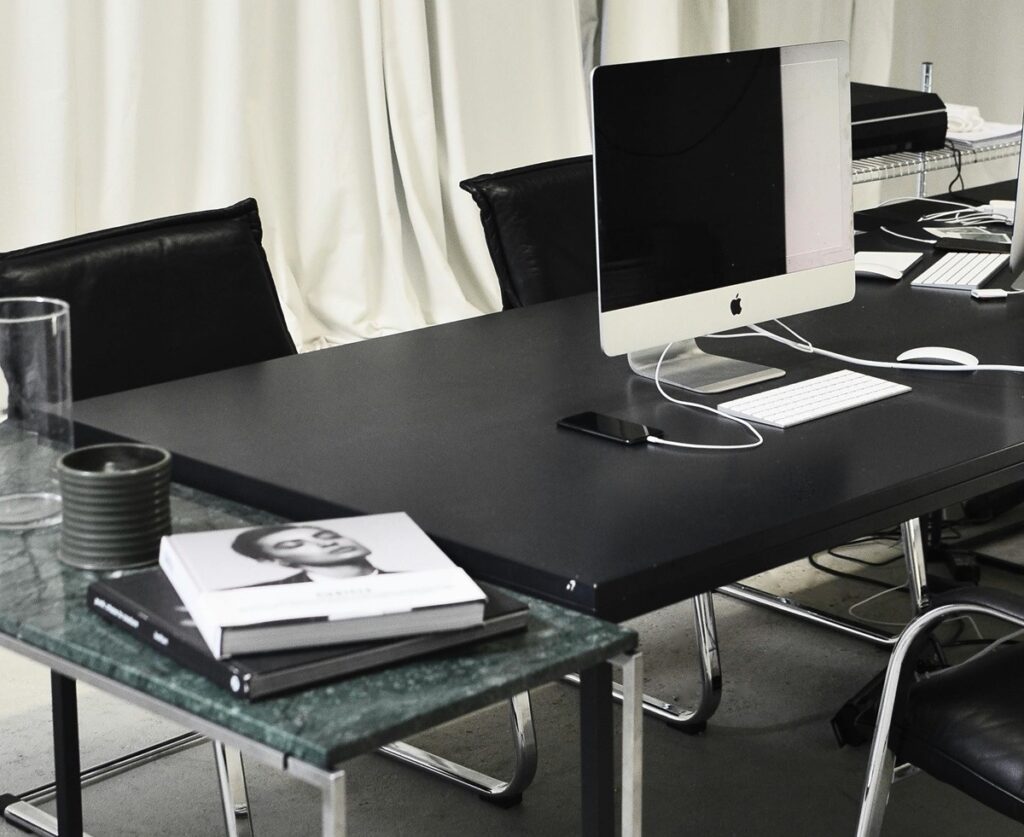
So, avoid eating at your desk, especially the shared ones, and make sure to remove any used cups, glasses, waste paper, etc before leaving the desk.
Furthermore, keeping shared areas like the cafeteria and break rooms clean shows respect for your colleagues and the working staff.
7. Respect Work-Life Balance
It’s important to be dedicated to your work, but it’s equally important to maintain a healthy work-life balance.
This involves setting clear boundaries between your work and personal life while also respecting the personal lives of your colleagues. When you need to take a break or won’t be available during work hours, make sure to inform your team beforehand and return on time.
Doing so helps establish trust and prevents unnecessary frustration caused by poor communication among team members.
8. Give and Take Constructive Criticism in a Healthy Way
Feedback is essential for growth, both personally and professionally.
By being open to receiving constructive criticism from colleagues or supervisors, you demonstrate your willingness to learn and improve. When you receive feedback, listen attentively and avoid becoming defensive.
Consider the points being made, and ask clarifying questions if needed. A simple “Thank you for your feedback” acknowledges the other person’s time and effort, and shows that you’re receptive to their input.
Also, delivering constructive criticism is an important skill to have. When offering feedback, focus on specific actions or behaviors, not personal attacks. Frame your criticism in a way that is helpful and actionable.
9. Handle Conflicts Calmly and Professionally
Conflicts and disagreements can happen at work for various reasons.
In such situations, it’s essential to remain calm and handle the problem professionally. Avoid getting angry or attacking the other person personally. Instead, focus on the issue and try to identify its main cause.

Listen carefully to the other person’s point of view and try to understand their perspective, communicate your thoughts clearly, and express your concerns respectfully.
If you find it challenging to resolve the conflict on your own, don’t hesitate to seek help from your seniors or HR to calm the situation.
10. Practice Confidentiality
Practicing good confidentiality creates a culture of trust within the workplace and protects the company’s valuable assets.
Respect sensitive information entrusted to you by the company or colleagues. This includes client data, financial records, internal discussions, trade secrets, intellectual property, and any information designated as confidential.
Be mindful of what you discuss in public spaces. Avoid leaving confidential documents unattended on your desk or screen. Don’t share confidential information via email, text message, or social media unless it’s encrypted and sent to authorized recipients.
When in doubt, be cautious and consult with your supervisor or the IT team about the best way to handle sensitive information.
11. Put an Effort To Know People
Building positive relationships with colleagues goes beyond simply being polite. It also means taking the initiative to get to know the people you work with can benefit you.
Start by making an effort to learn people’s names and address them in conversation, even when working remotely or in a hybrid work culture. This simple gesture shows that you are attentive and value them as individuals.
Also, try to discover their interests and hobbies. This not only helps you find common ground but also sets a deeper sense of understanding and appreciation for your colleagues.
When people feel seen and heard, it improves morale and creates a more positive work environment.
12. Silence Notifications
Silencing phone notifications in the office helps prevent distractions. When a phone rings loudly, it can interrupt not only the person receiving the call but also other coworkers who may lose their concentration and break their workflow.
By putting the phone on silent mode, unnecessary noise is reduced, and the workplace remains calm. This helps everyone stay focused on their tasks and maintain better productivity.
Mastering The Skills of Workplace Etiquettes
Workplace etiquette isn’t about memorizing a rulebook; it’s about making collaboration easier for everyone around you. The 12 tips we covered, punctuality, clear communication, professionalism, and respecting boundaries, are the small habits that quietly shape how people experience working with you.
And in the hybrid workplaces of 2026, these details matter more than ever. Teams are spread across offices, time zones, and video calls. The professionals who stand out aren’t just the most skilled; they’re the ones who communicate clearly, respect others’ time, and create a positive working environment wherever they show up.
Master these behaviors, and you’re not just following workplace etiquette, you’re building a reputation as someone people trust, respect, and want to work with. And in the long run, that reputation is one of the most valuable career assets you can have.
Check out some more related articles –
12 Fun and Creative Employee Engagement Activities for 2024
The Ultimate Guide to Effective Remote Collaboration in 2024