“Employee experience is the sum of all employee interactions with an organization – everything from pre-hire to retirement. It is the intentional design of a compelling experience for employees in work while employee engagement is an outcome of this workplace experience.” – Ben Whitter
Workplace experience isn’t a buzzword anymore. In 2026, it’s the difference between teams that perform and teams that quietly disengage.
Here’s the simple version: workplace experience is everything your employees go through while working with you. Not just the office, not just the perks—but every touchpoint. From the first interaction during hiring to how work actually gets done day-to-day… and even how people leave.
Get it right, and you don’t just “keep employees happy.” You build a system where people do their best work without friction. That’s where engagement, productivity, and retention naturally follow.
In this guide, we’ll break down what actually shapes workplace experience today—space, people, and technology—and the 6 strategies that move the needle. No fluff. Just what works.
What is Workplace Experience?
Workplace experience (WX) is simple to define but hard to execute well. It’s how your employees actually experience work. Not what you say, the culture is. Not what’s written in your handbook. But how work feels, flows, and functions every single day.
At its core, WX is shaped by a few non-negotiables:
- Workspace: Is it built for focus and flexibility, or constant distraction?
- Tools & Tech: Do they remove friction or create more of it?
- Culture: Are values visible in decisions, or just words on a slide?
- Leadership: Do managers enable great work or slow it down?
- Team dynamics: Do people collaborate easily, or work in silos?
Get these right, and everything compounds.
Because WX isn’t just about keeping employees “happy.” It directly impacts how well they perform, how long they stay, and how much effort they’re willing to put in. A strong workplace experience doesn’t feel like a perk; it feels like momentum.
Why is Workplace Experience Important?
Business leader Ian Hutchinson emphasized – “Your number one customers are your people. Look after employees first and then customers last.”
And it’s true.
Workplace experience matters because it directly impacts how your team shows up to work, especially when the office is no longer mandatory. In 2026, employees engage where the experience is actually worth their time. When they have the right environment, tools, and support, work feels smoother, and performance naturally improves.
Get WX right, and everything compounds. People feel more focused and satisfied, engagement becomes a byproduct (not a struggle), collaboration flows better, and retention improves. Employees don’t stay because they have to; they stay because the workplace actually helps them do their best work.
The Elements of Workplace Experience
Space
One of the most obvious elements that impact employee experience is the physical environment. With employers striving to return employees to the office, the physical work environment is more important than ever.
Workplace design, layout, lighting, comfort systems, and amenities should all work together to create a comfortable, inviting environment that promotes healthy work habits and collaborative efforts.

Comfortable and attractive work environments with natural light, good furniture, and relaxing areas can make employees happier and healthier.
Flexible workspaces, such as hot desks and shared areas, also support both in-office and remote work, fitting the hybrid work model many companies use today.
Technology
The way we work has changed, and that means employers and their IT teams are paying more attention to how employees experience their physical and digital work environments.
Technology is playing a big role in making things easier for us. Things like video calls, scheduling tools, and shared digital workspaces are streamlining our work and helping us focus on what matters.
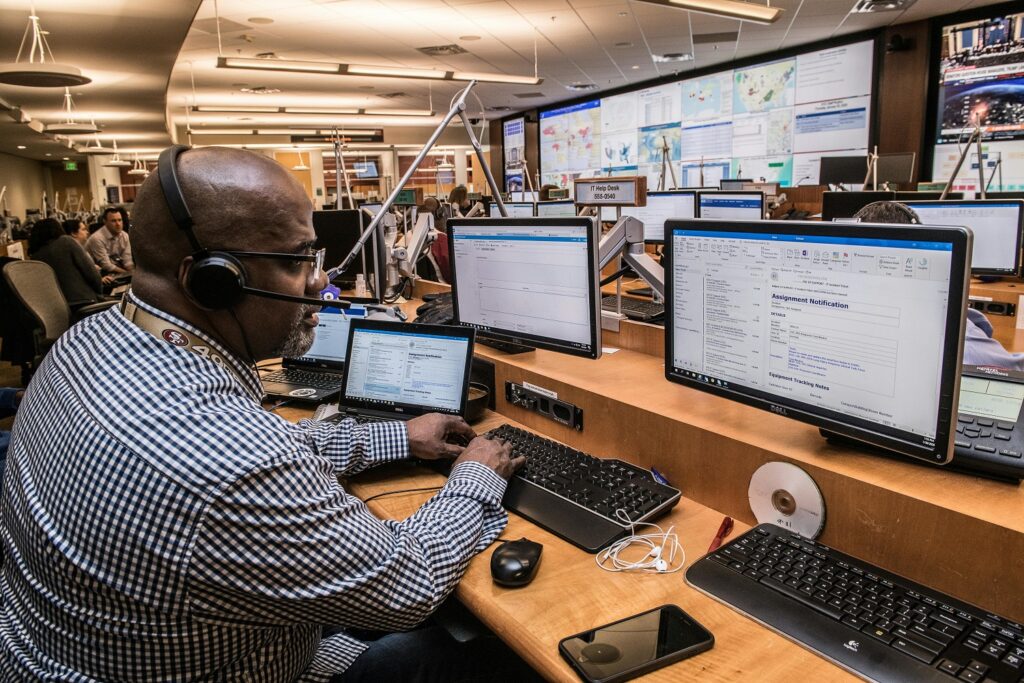
Technology is also helping us understand how to make our work environments better.
People
Employees are the heart of any organization.
How they feel about their daily roles and expectations shapes the workplace culture. Their interactions, skills, and the overall work environment significantly impact their work experience.
Hence, a positive and inclusive culture where employees feel valued and heard leads to higher engagement and job satisfaction. Strong relationships and clear communication also lead to effective teamwork and problem-solving.

A diverse workforce brings fresh ideas and perspectives, driving creativity and innovation. Inclusive practices ensure everyone feels respected, boosting morale and retention.
Moreover, organizations offering supportive leadership and a culture of empathy help maintain employees’ mental health. Providing resources for stress management, mental health days, and counseling is essential in today’s work environment.
These elements combined create a thriving workplace where employees can excel and feel supported.
How to Improve Workplace Experience?
Improving workplace experience isn’t about perks; it’s about removing friction so people can do great work consistently. High-performing companies in 2026 achieve this by listening, aligning teams, and continuously refining how work gets done.
1. Survey Employees & Gather Feedback
If you don’t understand how work feels for your team, you’re guessing. Start with honest, consistent feedback loops—anonymous surveys, quick pulse checks, and real conversations. The goal isn’t just data; it’s clarity. When employees see their input being heard and acted on, trust builds—and that’s the foundation of any strong workplace experience.
2. Build a Clear Workplace Experience Strategy
Feedback without action goes nowhere. Turn insights into a focused plan that tackles real friction—whether it’s communication gaps, poor tools, or burnout risks. Set clear priorities, define outcomes, and involve employees in shaping solutions. A strong WX strategy isn’t complex—it’s intentional, aligned, and built around how work actually gets done.
3. Assign Ownership to Workplace Experience
When everyone owns WX, no one really does. High-performing companies assign clear ownership—often through a dedicated Workplace Experience Manager or team. Along with improving day-to-day operations, they also streamline employee communication so information flows clearly and consistently. This ensures the experience is cohesive, measurable, and continuously improving—not treated as a side project.
4. Align HR, IT, and Facilities
Workplace experience breaks when teams operate in silos. HR shapes policies, IT controls tools, and facilities manage the environment—but employees experience all of it as one system. Align these teams around shared goals, and support them with the right productivity tools to streamline collaboration, reduce friction, and keep everyone moving in sync.
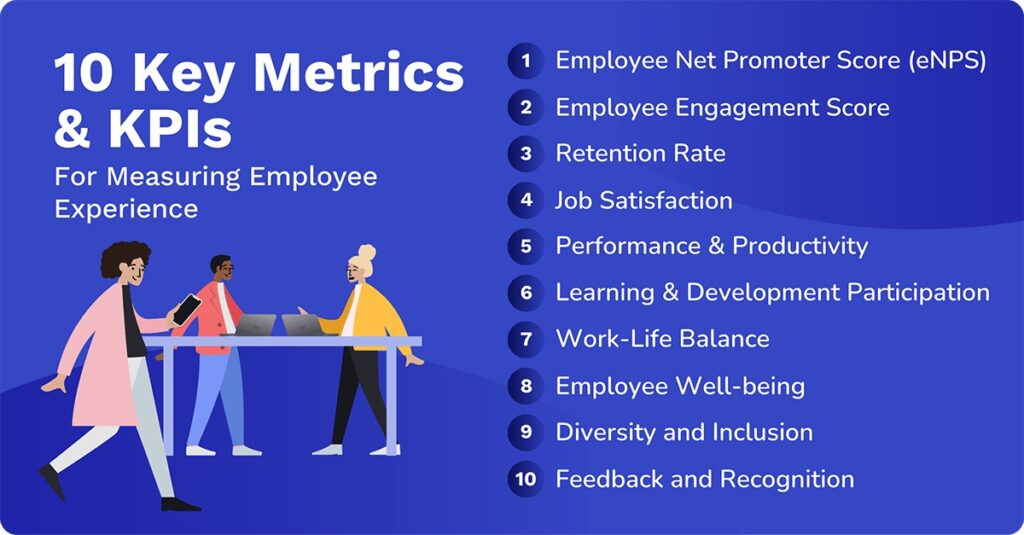
5. Measure What Actually Matters
You can’t improve what you don’t measure—but most companies track the wrong things. Go beyond surface-level metrics and focus on signals like engagement, retention, productivity, and employee sentiment over time. Set clear benchmarks and review them regularly. The goal isn’t reporting—it’s understanding what’s working and doubling down on it.
6. Reassess, Refine, Repeat
Workplace experience isn’t a one-time fix—it’s a system you continuously improve. After making changes, go back to your employees and validate what’s actually improved. Identify new gaps, adjust your approach, and keep iterating. The companies that win in 2026 aren’t perfect—they’re the ones that adapt faster and listen better.
Setting a Healthy Workplace Environment
To quote Richard Branson, “Take care of your employees, and they will take care of your business.”
A healthy workplace isn’t a perk, it’s a performance system. In 2026, companies that win are the ones that design work around people, not the other way around. That means flexibility that actually works, wellness that goes beyond checkboxes, and leaders who remove friction instead of adding to it.
But none of this sticks without trust. And trust comes from consistency—listening to employees, acting on feedback, and showing up with clarity and empathy every day. When people feel supported and heard, they don’t just stay—they contribute at a higher level.
Get this right, and you won’t have to chase talent or engagement. You’ll build an environment where both happen naturally—because the workplace itself works.