
Conversational marketing is no longer a shiny new tactic. It’s how smart brands talk to customers, literally. From chatbots to live chat, it’s all about creating real-time, two-way conversations that move people closer to buying.
But here’s the thing: most brands still get it wrong. They automate everything, forget the human touch, and end up sounding like robots trying to sell to robots.
In this article, I’ll show you 10 conversational marketing examples that actually convert. Real strategies, real results, and practical takeaways you can use today.
What Is Conversational Marketing?
Conversational marketing is the practice of engaging customers through real-time, personalized interactions usually through chatbots, messaging apps, or live chat on your site. The goal is to replace long lead forms and delayed responses with instant conversations that guide users toward what they need.
Think of it like having a helpful store associate online. Instead of forcing visitors to fill out a form and wait for a reply, they can ask a question and get an answer right away. That speed and convenience can turn casual browsers into paying customers much faster.
Why Conversational Marketing Works in 2025
People Expect Instant Answers
In 2025, nobody wants to wait for an email reply. Customers expect responses within minutes, not hours. Conversational marketing satisfies that expectation. When someone visits your site, a chatbot or live chat can step in, answer questions, and keep them engaged while their interest is high.
It Feels More Human
Even when powered by AI, a well-crafted chatbot can still sound friendly and personal. People like to feel heard. When your brand holds a conversation rather than just broadcasting messages, it builds trust faster than a traditional contact form ever could.
It Shortens the Sales Cycle
By removing friction, conversational tools help customers make faster decisions. Instead of waiting for sales to follow up, they can get product info instantly, schedule a demo, or even check out directly in chat. That’s a huge advantage for both sides.
It Collects Better Data
Every chat gives you insights about what customers actually ask. That’s gold for improving your content, refining your product, and adjusting your pitch. Unlike static forms, conversations reveal intent and emotion in real time.
10 Conversational Marketing Examples That Work
1. HubSpot’s Chatbot for Lead Qualification
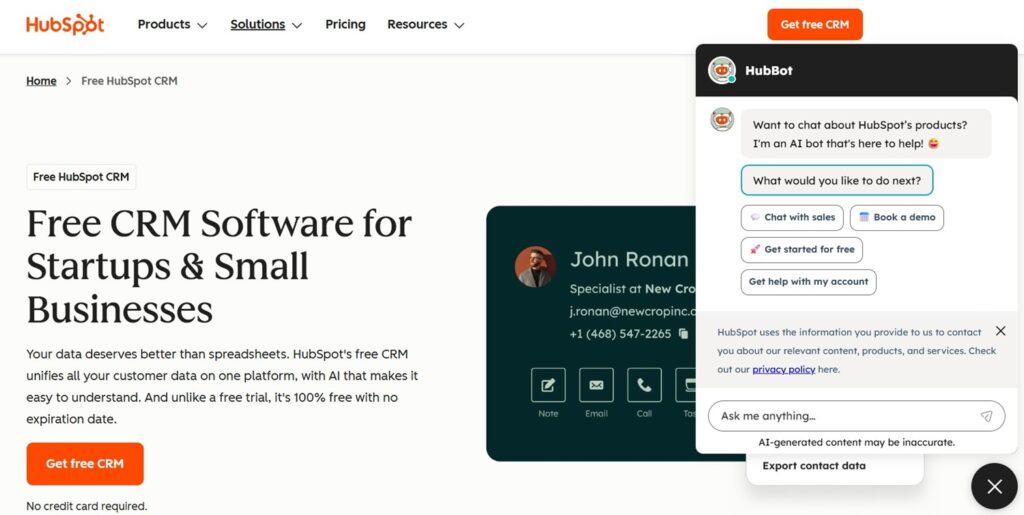
HubSpot uses a chatbot on its website to qualify leads instantly. It asks visitors what they’re looking for, then routes them to the right content or a sales rep. The key here is context. It doesn’t just push a demo; it helps first, then sells.
2. Sephora’s Messenger Chat for Appointments
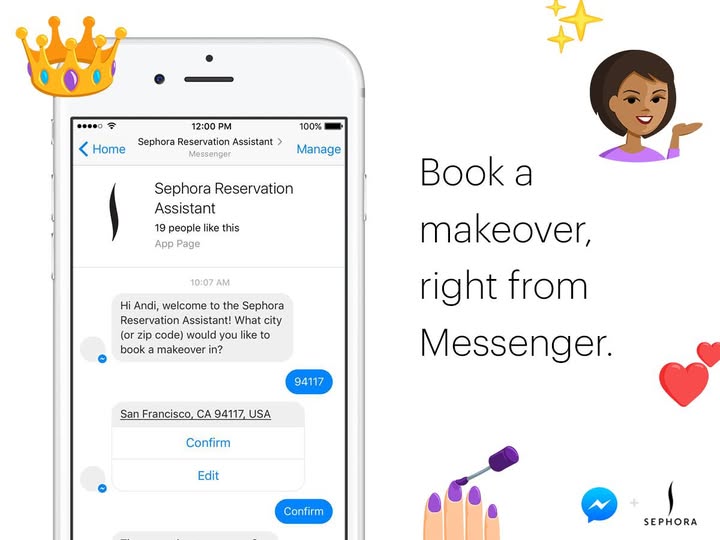
Sephora’s Facebook Messenger bot lets users book makeover appointments directly through chat. It’s fast, frictionless, and feels personal. Customers love not having to call or fill out a form. The result: more bookings and happier shoppers.
3. Domino’s “AnyWare” Ordering Chat
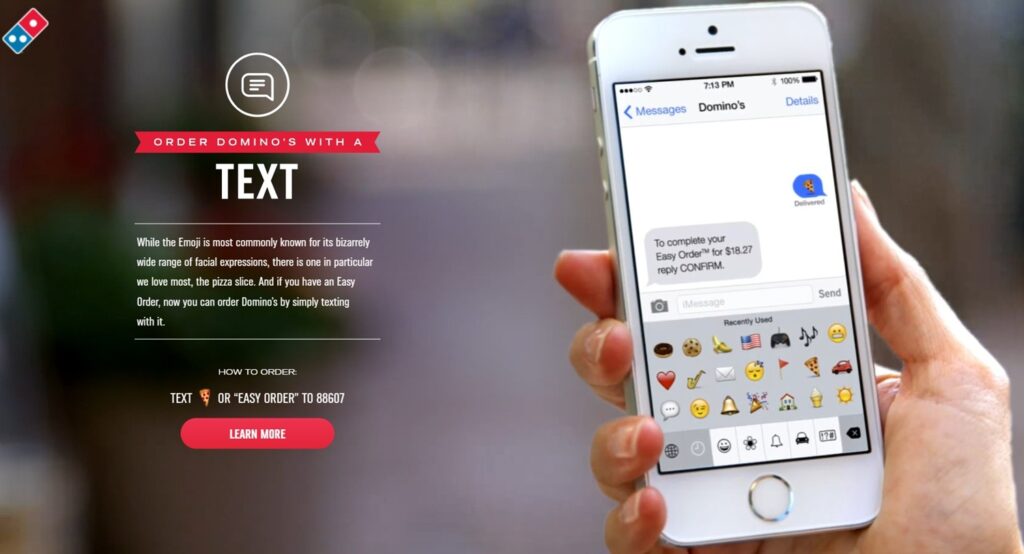
Domino’s made ordering pizza conversational. You can message their bot, text, or even tweet an emoji to place your order. It’s fun and functional—a perfect mix that keeps customers coming back because it’s so easy.
4. Drift’s Personalized B2B Conversations
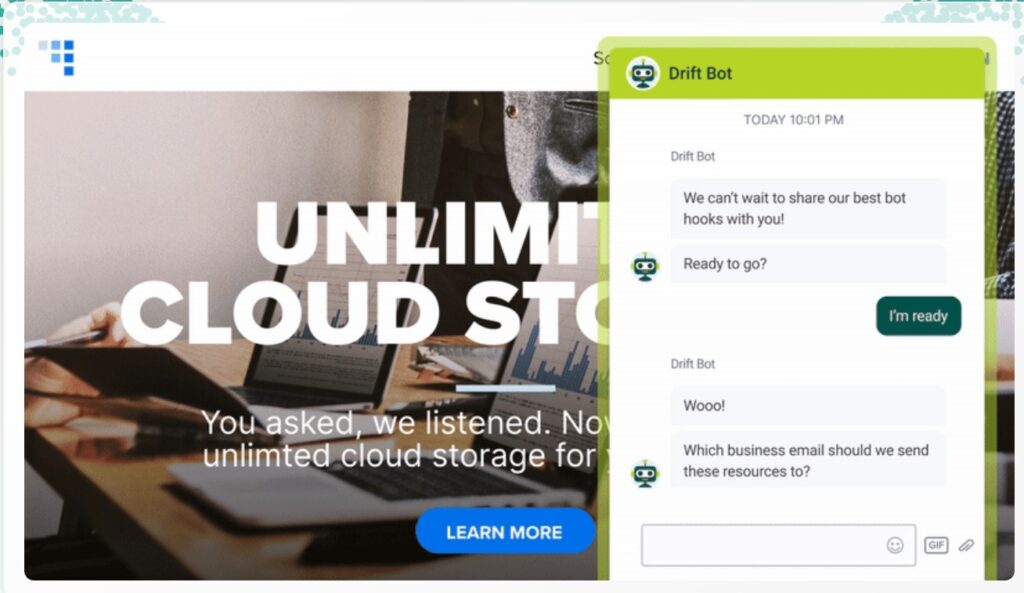
Drift uses chatbots to identify who’s on your site and tailor messages accordingly. A returning visitor sees a different message than a new one. This personalization creates a sense of recognition, which boosts engagement and conversions.
5. H&M’s Style Bot on Kik
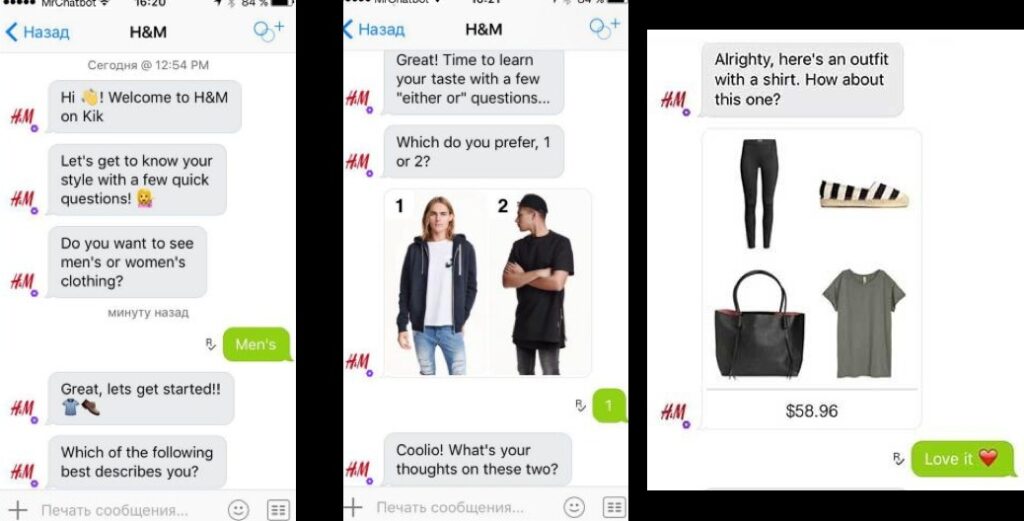
H&M’s chatbot helps users pick outfits based on their preferences. It asks questions, shows options, and suggests matching items. This conversational flow mimics the experience of shopping with a stylist, but faster and more scalable.
6. National Geographic’s Messenger Chat for “Genius”
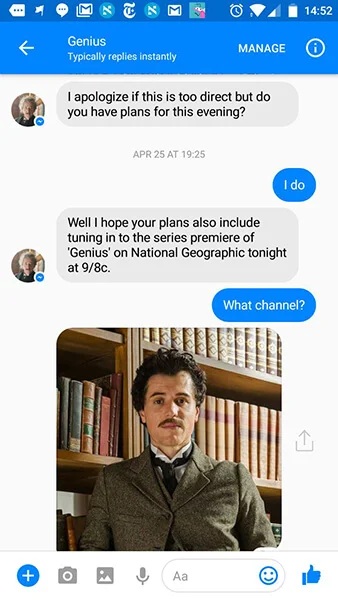
To promote its “Genius” series, National Geographic created a chatbot that spoke as Albert Einstein. Users could chat with “Einstein” and learn fun facts. It wasn’t just marketing—it was entertainment. Engagement rates were off the charts.
7. Lego’s “Ralph” Gift Finder Bot
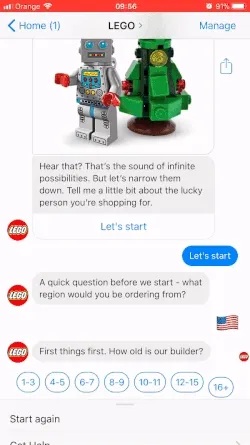
Lego’s chatbot, Ralph, helps parents find the perfect gift. It asks who the gift is for, age, and interests, then recommends sets. The experience feels like talking to a helpful store clerk, which makes buying decisions easier and faster.
8. 1-800-Flowers’ Chatbot for Instant Orders
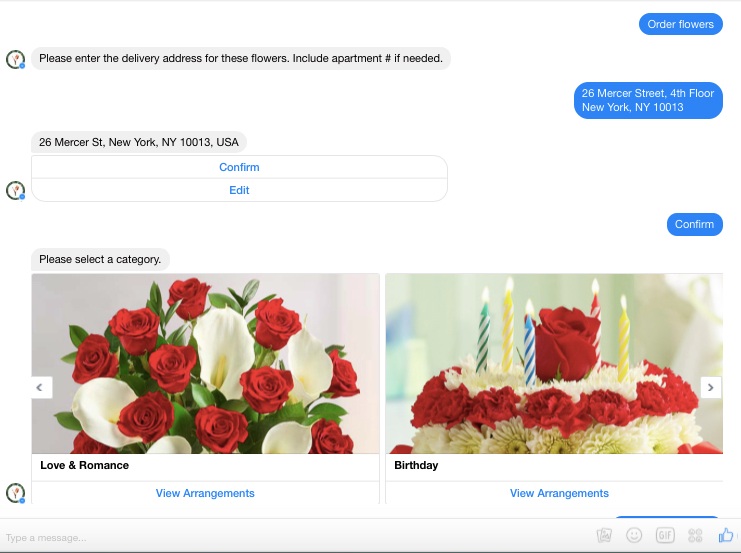
The flower retailer lets customers order directly from Facebook Messenger. The bot asks a few simple questions—occasion, recipient, address—and processes the order. It removes the need to visit the website entirely, which increases conversion rates.
9. KLM’s Flight Updates via Messenger
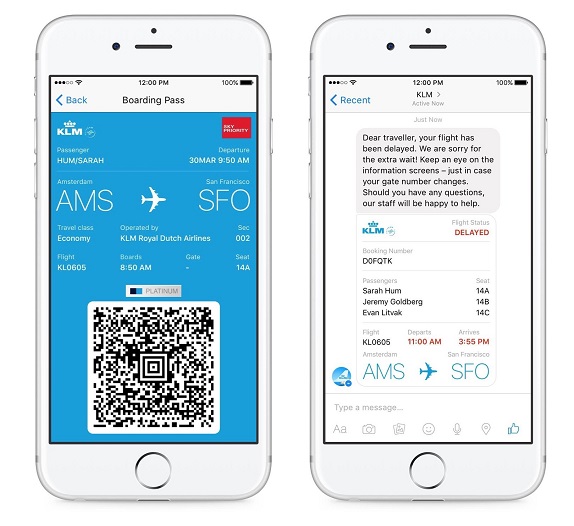
KLM Airlines uses Messenger to send boarding passes, flight updates, and delay alerts. It turns a one-time booking into an ongoing conversation. Customers get what they need without digging through emails or apps.
10. Lyft’s Ride Requests Through Chat
Lyft’s integration with Messenger and Slack lets users request rides directly from chat. It’s convenient, fast, and fits naturally into how people already communicate. This kind of conversational integration keeps the brand top of mind.
How to Build Your Own Conversational Marketing Strategy
Start With the Right Goal
Don’t just add a chatbot because it’s trendy. Decide what you want it to do—generate leads, qualify prospects, or handle support. A clear goal keeps your conversations focused and measurable.
Map the Customer Journey
Identify where conversations make the most sense. A chatbot on your pricing page might answer objections, while one on your blog could suggest related posts. Context matters more than volume.
Keep It Human
Even if you use automation, make it sound like a real person. Use natural language, not corporate jargon. Add a name and photo if possible. People respond better when they think they’re talking to another human.
Use Data to Improve
Review chat transcripts regularly. Look for recurring questions or confusion points, then fix them in your content or chatbot flow. Continuous improvement is what separates decent chatbots from great ones.
Integrate With Your CRM
Connect your chat platform with your CRM so every conversation becomes part of your customer record. This helps sales follow up with context and keeps marketing informed about what messages resonate.
Common Mistakes to Avoid
Being Too Pushy
Don’t turn your chatbot into a salesperson that interrupts every visitor. Give users space to browse. Offer help when it’s relevant, not every five seconds. Conversations should feel helpful, not aggressive.
Ignoring Tone and Personality
Your chatbot should sound like your brand. A financial advisor and a streetwear brand shouldn’t use the same voice. Consistency in tone builds trust and makes conversations feel natural.
Neglecting Mobile Experience
Most users chat from their phones. Make sure your chatbot design, buttons, and messages display cleanly on mobile. A clunky interface kills engagement fast.
Failing to Follow Up
Conversations shouldn’t end when the chat closes. Use follow-up emails or retargeting ads to continue the relationship. A single chat can be the start of a long-term customer connection.
Future Trends in Conversational Marketing
AI-Powered Personalization
AI is getting smarter at understanding context. In 2025, expect chatbots that remember preferences, past purchases, and tone. Conversations will feel more like talking to someone who actually knows you.
AI SMS for Instant Outreach
Text messaging isn’t dead—it’s evolving. AI SMS use artificial intelligence to automate two-way text conversations that feel personal, not robotic. Whether it’s sending tailored offers, reminders, or support updates, AI-powered SMS bridges the gap between traditional chat and mobile engagement.
Voice-Activated Chat
Voice assistants are becoming part of conversational marketing. Brands can now engage customers through Alexa or Google Assistant, turning voice searches into interactive dialogues that drive action.
Integration With Social Commerce
Social media platforms are blending chat and shopping. Customers can ask a question, get a recommendation, and buy—all within the same chat window. That’s the future of frictionless commerce.
Proactive Conversations
Instead of waiting for visitors to start a chat, AI tools will initiate conversations based on behavior. For example, if someone lingers on your pricing page, the chatbot can offer help right away.
Key Takeaways
Conversational marketing isn’t about fancy bots or shiny tools. It’s about talking to customers the way they want—fast, friendly, and personal. The best examples show that conversations can replace forms, shorten sales cycles, and build stronger relationships.
Start small. Test your chatbot on one key page. Measure results. Then expand as you learn what works. In 2025, customers expect every brand to be conversational. The sooner you start, the better your results will be.
