
TL;DR (Quick Summary)
- B2B SaaS pricing models determine how software companies charge customers and generate recurring revenue.
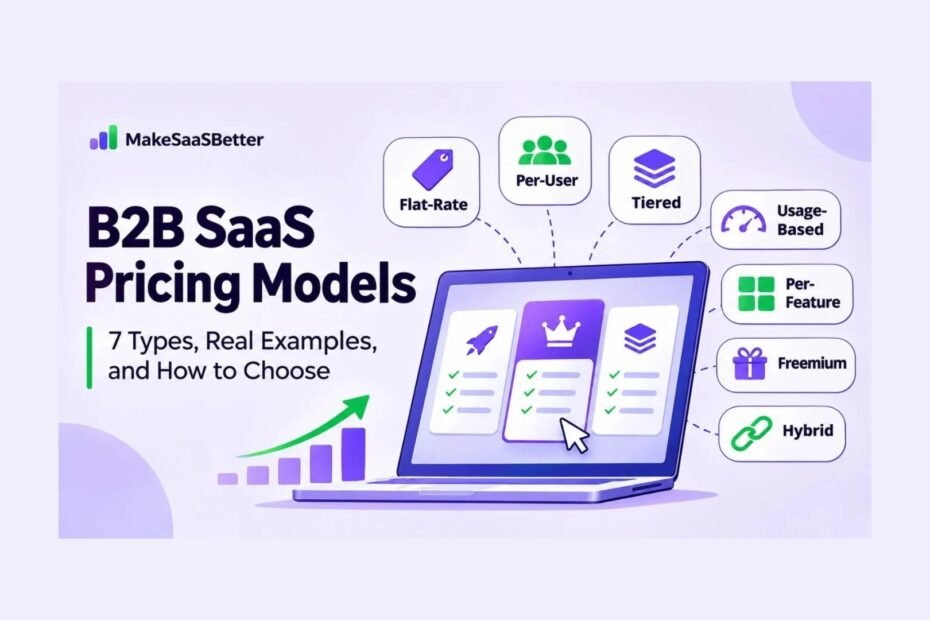
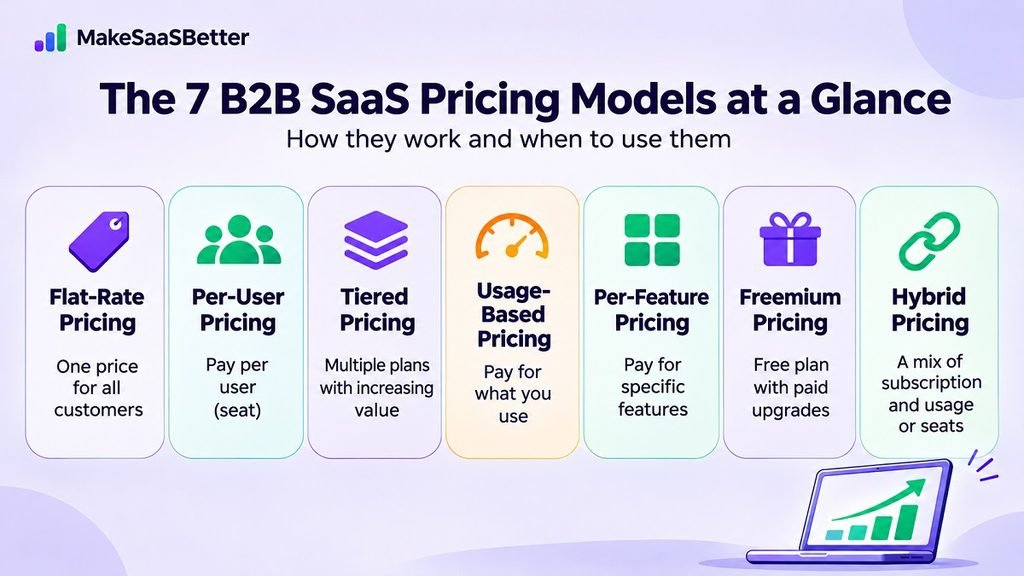
- Seven common models are flat-rate, per-user, tiered, usage-based, per-feature, freemium, and hybrid pricing.
- The right model depends on your target customers, product value, operating costs, and revenue goals.
- Real-world examples include Basecamp (flat-rate), Slack (per-user and tiered), and Twilio (usage-based).
- Regular pricing reviews help improve customer acquisition, retention, profitability, and expansion revenue.
Selecting the right pricing model for your B2B SaaS will depend on several factors such as how much customers are willing to pay, how much value you are providing and your long-term growth objectives.
Many SaaS businesses struggle with their pricing. According to Wynter’s 2026 B2B SaaS Pricing Study, 80% of surveyed B2B SaaS leaders had changed their pricing in the previous 12 months or were actively changing it.
Choosing the wrong pricing model can hurt customer conversions, increase churn, and limit revenue growth.
This guide explores seven B2B SaaS pricing models, their benefits and drawbacks, and how to choose the right one for your business.
Why Choosing the Right B2B SaaS Pricing Model Matters ?
Your pricing strategy will have a significant impact on how easy it is for your customers to get started using your software, your revenue generation and your ability to scale your business.
A good pricing strategy can help lower barriers to entry. This will make it easier to both attract and convert your potential customers. You will also have clearer revenue streams which will allow you to more accurately plan your investments.
Pricing can also impact customer retention. If your customers feel like they are getting a fair price for what they’re getting they will be more likely to remain a customer. Whereas if they are hit with unexpected costs or limited plans they may leave.
Choosing the correct model will give you an opportunity to generate expansion revenue from extra users, increased usage and/or premium features.
Your pricing strategy should support your overall B2B SaaS growth strategy. As your business expands, it should help you acquire new customers, retain existing ones, and grow your revenue.
7 Common B2B SaaS Pricing Models (With Examples)
Flat-Rate Pricing Model
A flat rate model is one of the easiest B2B SaaS pricing models to use. Customers pay a set price (usually monthly or yearly) for access to a set number of features.
The biggest advantage is simplicity. It is easy to understand for customers that know exactly how much they are paying. This provides a steady income for your SaaS business. However, it can also mean you aren’t earning from expansion as much as you could be as larger clients will pay the same price as small clients.
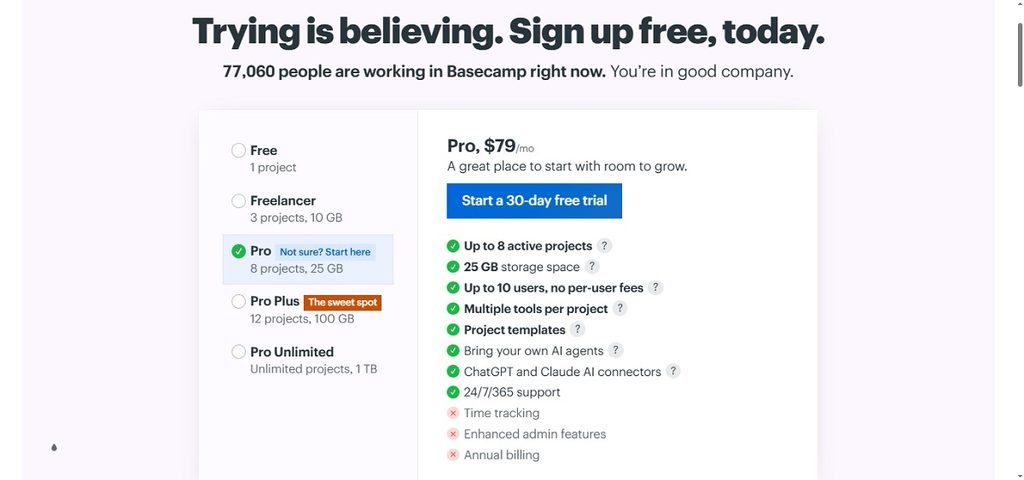
For example, Basecamp offers fixed-price subscription plans, including its Pro plan, which supports up to 10 users without per-user fees.
Best suited for:If your SaaS product has fairly consistent customer needs. Such as collaboration and project management tools.
Per-User Pricing Model
This model sees your business being charged based on the number of users they have. The more people using your software, the higher the charge will be.
The biggest advantage is predictable revenue growth. SaaS companies will see extra revenue growth as they are able to scale up their customer’s team sizes. Businesses can easily work out how much they will be charged for their subscription.
However, this can mean that the software isn’t adopted by as many people. Companies may restrict the number of users they pay for.
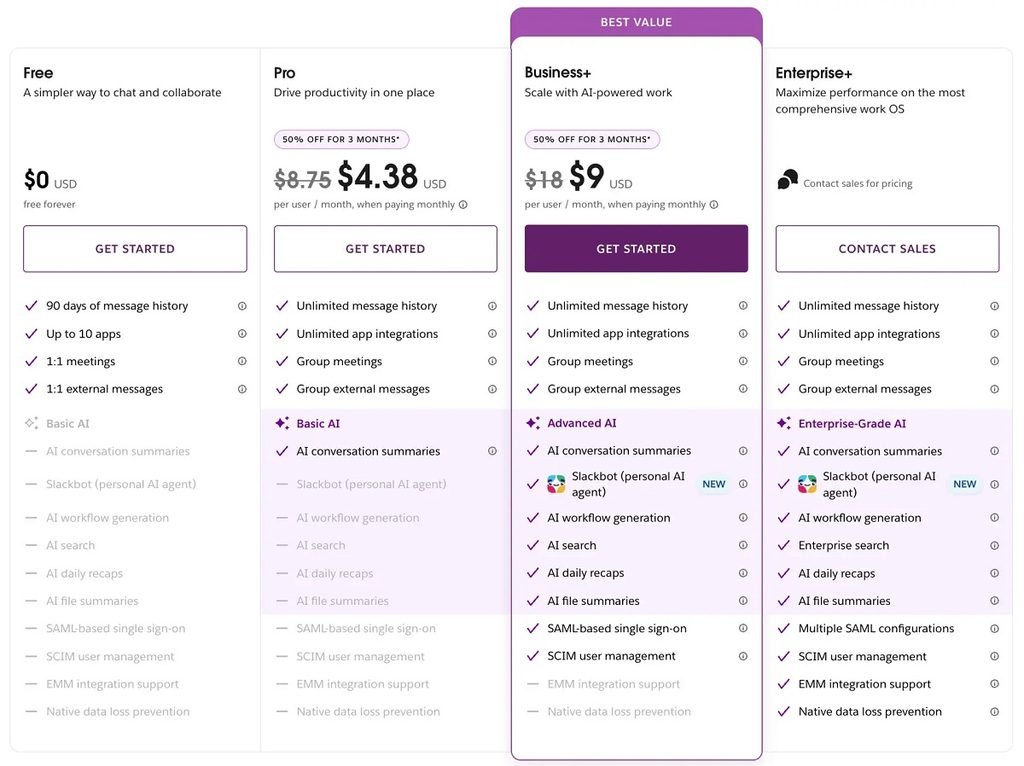
Slack uses per-user pricing for its paid plans, allowing businesses to scale their subscriptions as their teams grow.
Best suited for:Collaboration, Project Management and Productivity tools where there is an increase in value the more people using the software.
Tiered Pricing Model
Tiered pricing allows your SaaS B2B product to have a variety of subscription options with different features, usage limits and support. This means you can cater to your customer base by offering them an option that fits their business.
The biggest advantage is flexibility. To target different customer segments. You can provide your small start-up or larger enterprise customers with the right option. It also gives your business an opportunity to upsell your customers.
There can be too many tiers and confusion around what features are included in each tier.
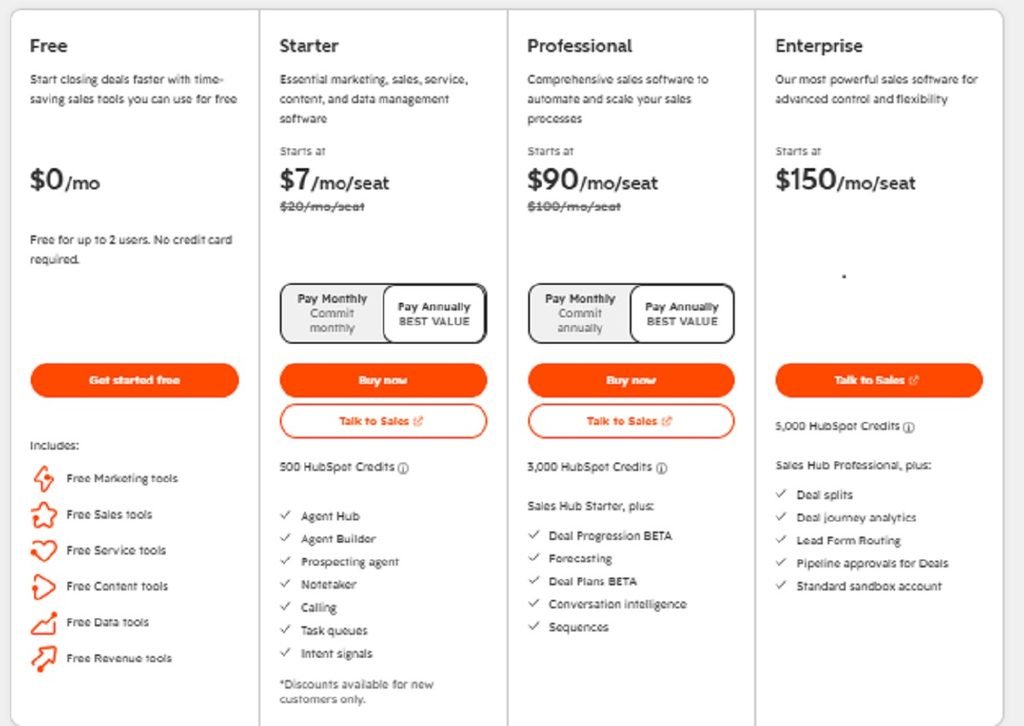
For example, HubSpot offers different subscription tiers, including Starter, Professional, and Enterprise, with varying features and capabilities.
Best suited for: SaaS products that want to target a range of business sizes with varying feature and budget requirements.
Usage-Based Pricing Model
Usage-based pricing (or pay-as-you-go pricing) bills customers based on how many resources they use. For example, how many API calls, transactions, storage or messages they consume.
The biggest advantage is flexibility. Customers pay based on how much they use, whilst SaaS companies gain additional revenue when customers use more of the service.
This approach is gaining traction. According to Vertice’s 2026 SaaS pricing research, consumption-based pricing accounted for 37.1% of SaaS contracts in Q3 2026, up from 34% in Q1.
This can cause issues for customers due to their bills fluctuating month-to-month. It can also be difficult to predict revenue.
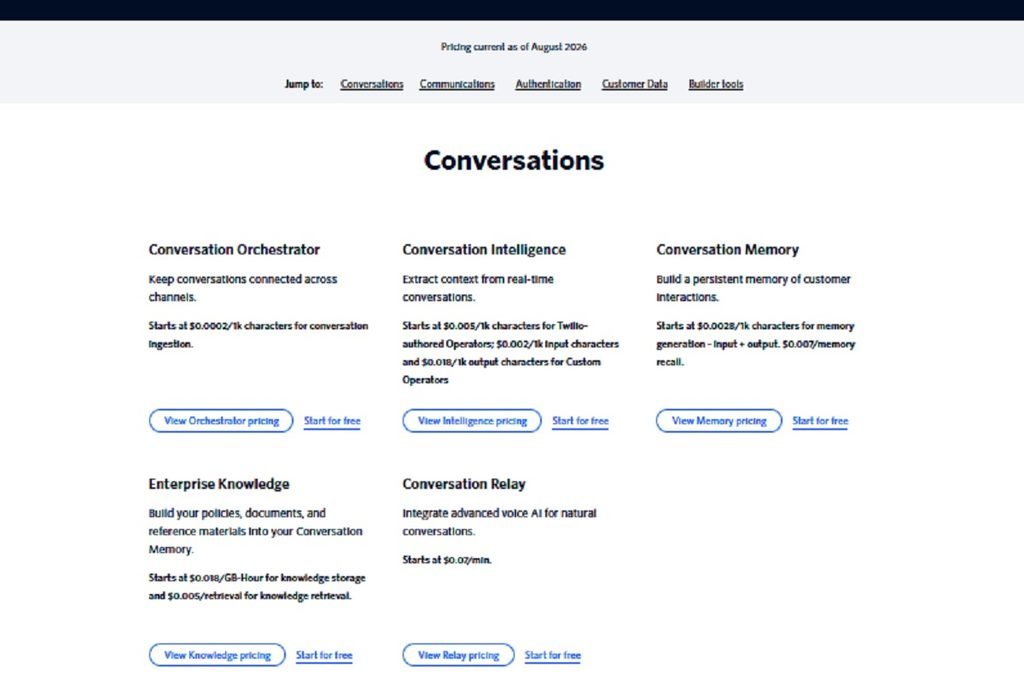
For example, Twilio charges for services such as messaging and voice APIs based on consumption.
Best suited for: API platforms, cloud infrastructure and data processing software.
Per-Feature Pricing Model
A per-feature pricing model allows businesses to charge their customers depending on the features they want. Usually, basic functions are cheaper, while advanced features require upgrading.
The biggest advantage is targeted monetization. This allows SaaS businesses to charge more for higher-value features while keeping basic packages accessible to smaller customers.
This approach is particularly relevant as SaaS companies monetize AI capabilities. According to Revenera’s 2026 Monetization Monitor findings, 40% of surveyed software vendors include AI features in a higher-priced tier.
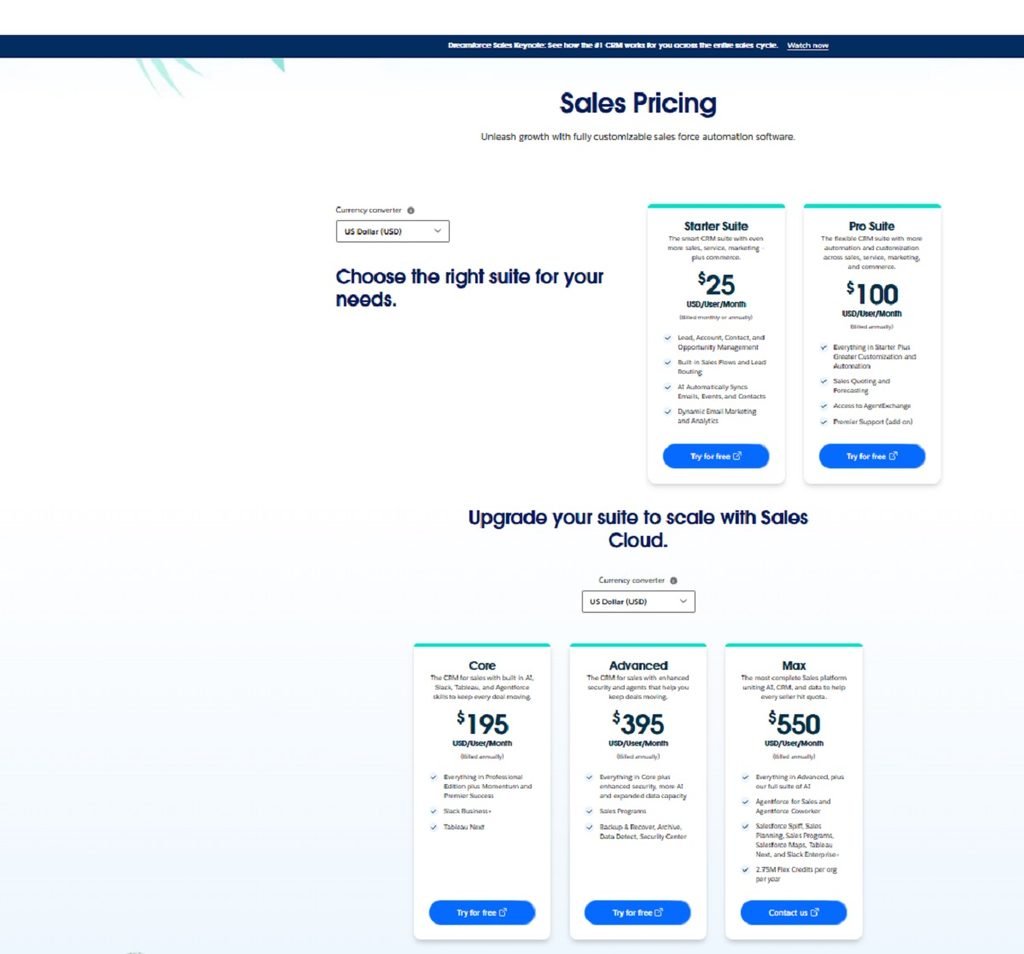
For example, Salesforce offers paid add-ons and advanced capabilities alongside its subscription plans, allowing businesses to pay for additional functionality.
However, limiting core functionality and making upgrades expensive can frustrate customers.
Best suited for: CRM, Marketing automation or advanced/specialist SaaS products.
Freemium Pricing Model
Freemium pricing means that a business can offer a version of its software for free, however with limited features, storage or usage. Customers can then pay to upgrade their plan.
The biggest advantage is easier customer acquisition. Removing barriers for customers to try out your software will help increase adoption and allow room to upsell.
It can be tough to turn free users into paying customers. It will also add to your costs to support a large number of free users.
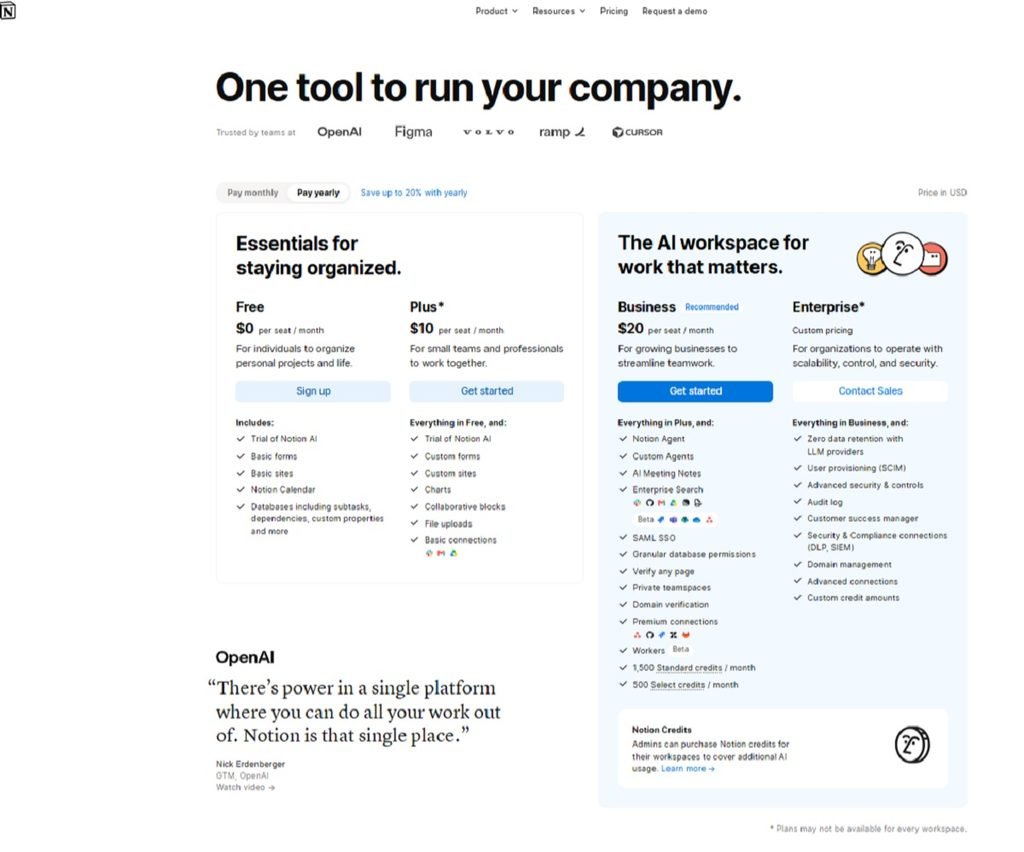
For example, Notion offers a free plan with basic features, while paid plans provide additional collaboration tools, higher usage limits and advanced capabilities.
Best suited for: Product-led SaaS, collaboration and productivity tools with high self-service adoption.
Hybrid Pricing Model
Hybrid pricing blends two or more SaaS pricing models together. For example, combining a flat-rate subscription with a per-user or usage-based model. This allows for predictable recurring revenue while earning more as customers increase their usage.
The biggest advantage is flexibility and scalability. SaaS businesses can cater to varying customer needs and open up additional revenue opportunities.
According to 2026 B2B software pricing research, hybrid pricing accounted for 37% of primary pricing models among surveyed companies, up from 25% a year earlier.
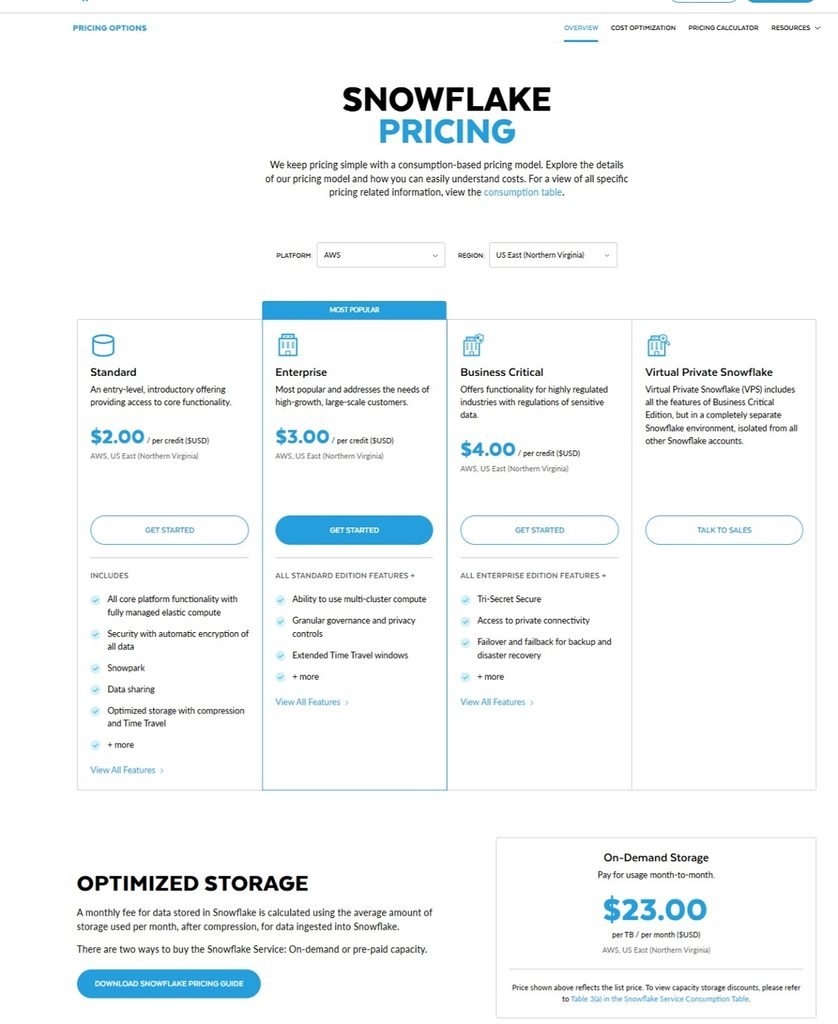
For example, Snowflake combines consumption-based pricing with contractual spending commitments, helping businesses plan their spending while paying for resources consumed.
However, pricing can become complicated when multiple models are used.
As explained in Maxio’s SaaS pricing guide, choosing the right approach requires balancing customer value with business goals.
Best suited for: Growing B2B SaaS companies with varied customer needs and products with fluctuating usage.
B2B SaaS Pricing Models Comparison
Each B2B SaaS pricing model can be used to provide a different benefit depending on the nature of your product, the target audience and the type of revenue you want to make. Some provide more predictability in revenue whereas others provide flexibility or support user acquisition and growth.
Below is a quick summary table to help you identify;
| Pricing Model | Benefits | Best For |
| Flat-rate | Easy billing and predictable pricing | SaaS products that have similar needs across clients |
| Per-user | Scalable revenue based on clients adding users | Collaboration and Productivity |
| Tiered | Differentiates between customer groups | Multi functional SaaS products |
| Usage-based | Revenue can scale with usage | API and Cloud |
| Per-feature | Generates revenue from advanced features | CRM and Marketing Automation |
| Freemium | Incentivise people to use your product | Product led SaaS products |
| Hybrid | Provides both predictable and scalable revenue | SaaS products with varied usage |
The key takeaway: There’s no single best pricing model for every B2B SaaS business. The right choice depends on how customers use your product, the value they receive, and how you plan to grow.
How to Choose the Right B2B SaaS Pricing Model
Rather than looking at how your competitors are pricing, look at how you can price in line with how much value your customers get from your product and ensure you have a sustainable revenue model.
Here are some steps to help you determine that.
1. Know your ideal customer profile
Understand who your target customers are. Will they be startups looking for low cost and flexibility? Or enterprises wanting predictable costs, complex features and bespoke agreements?
2. Define your value metric
Work out the value drivers of your product. Are users, transactions, features or resources the key value drivers?
Collaboration tools will usually work with a per seat model while API products lend themselves to consumption-based pricing.
3. Consider how predictable your revenue and costs will be
Will you have predictable costs on Infrastructure, Support, Margins and predictable recurring revenue?
Fixed subscriptions will give you predictable revenue. Consumption based will allow you to capture extra value as your customers consume more.
Track relevant SaaS metrics, including churn, customer lifetime value, and expansion revenue.
4. Research competitors pricing
Look at how competitors are pricing their products. What packages are they offering? How are they positioning their pricing?
To understand different approaches, but avoid copying competitors without considering your product’s unique value
5. Validate, measure, iterate
Validate your pricing model by speaking to customers, researching what they would pay and experimenting.
Keep track of your conversion rates, churn and expansion revenue. As pricing is a growth lever, keep iterating on your pricing.
Common B2B SaaS Pricing Mistakes to Avoid
Even though you have built an amazing SaaS product you might still see slow growth if your pricing is off. There are 4 common mistakes that will happen.
1. Not doing your own research pricing: Something that works for another SaaS business won’t always work for your SaaS business. Focus on customer driven pricing based on how much value you are providing.
2. Having too many tiers: The more tiers you give customers and having complex feature limits can leave your customers confused which makes them take longer to buy.
3. Using the wrong value metric: Charging people by the number of users but they mainly get value by using it could leave them confused at what they are paying.
4. Ignoring your finances: Only focusing on new subscriptions can cause you issues down the line. Regularly reviewing your SaaS financial metrics helps you identify whether your pricing supports sustainable growth.
Conclusion: Choose a Pricing Model That Scales With Customer Value
Choosing the right B2B SaaS pricing model isn’t just about deciding how much to charge. It’s about finding a balance between the value your customers receive and the revenue your business needs to grow sustainably.
Whether you choose flat-rate, per-user, usage-based, or hybrid pricing, the best model should fit your customers’ needs, buying behaviour, and how they use your product.
Remember, pricing isn’t something you set once and forget. As your SaaS business grows, customer expectations, product features, and market conditions will change. Regularly reviewing your pricing can help you improve customer retention, identify expansion opportunities, and protect profitability.
Does your current pricing reflect the value customers receive? If not, now is the time to review your pricing model, identify what’s working, and make adjustments that support long-term growth.
Frequently Asked Questions
What is the most popular B2B SaaS pricing strategy?
B2B SaaS businesses often opt for a per user or tiered model, as it provides predictable revenue and can scale with your customers.
What is the difference between tiered and pay-as-you-go pricing?
With tiered pricing there are set plans available to customers. Pay-as-you-go pricing charges based on usage, for example API usage.
What SaaS pricing should startups use?
This depends on your product. A flat rate will make things simple, freemium will encourage people to try your product and pay-as-you-go works well if you have a product with varying usage.
Can a B2B SaaS company use more than one pricing model?
Yes. Many B2B SaaS companies use hybrid pricing, combining models such as a fixed subscription fee with usage-based charges. This allows businesses to maintain predictable revenue while earning more as customers increase their usage.
How often should B2B SaaS companies review their pricing?
B2B SaaS companies should review their pricing at least once a year or whenever customer needs, product features, or market conditions change. Regular reviews help ensure pricing reflects customer value and supports long-term revenue growth.
