One of the biggest challenges companies face today isn’t hiring talent — it’s making sure employees actually feel connected, supported, and productive wherever they work. With remote and hybrid setups now standard, the digital workplace has become the backbone of everyday work.
But many employees still struggle with clunky tools, slow systems, and scattered information. When simple tasks turn into daily friction — switching between apps, searching for files, or dealing with outdated software — productivity drops and frustration grows.
That’s where a strong Digital Employee Experience (DEX) makes the difference. The right tools, systems, and workflows remove friction and help employees focus on meaningful work instead of fighting technology.
In this guide, you’ll learn why DEX matters in 2026 and how to build a digital workplace that keeps teams connected, efficient, and genuinely supported.
What is Digital Employee Experience?
Digital Employee Experience (DEX) refers to how employees interact with the digital tools, platforms, and systems they use every day at work. This includes everything from laptops and software to internal apps, workflows, and IT support that enable employees to complete their tasks.
In today’s remote and hybrid work environment, these digital tools have become the core workplace. When systems are slow, confusing, or disconnected, employees waste time fixing problems instead of focusing on meaningful work.
A strong DEX removes that friction. With reliable, user-friendly technology, employees can work more efficiently, collaborate smoothly, and stay engaged—leading to higher productivity and greater job satisfaction.
Objectives of Digital Employee Experience
Digital Employee Experience (DEX) focuses on improving how employees interact with technology at work, making their tasks simpler, faster, and more flexible. It plays a key role in supporting modern work environments, especially remote and hybrid models, while enhancing overall employee satisfaction and engagement.
Key objectives of DEX:
- Enable seamless remote and hybrid work with secure, accessible tools
- Improve overall employee experience, engagement, and retention
- Increase productivity by simplifying tasks and reducing technical issues
- Provide inclusive access to digital tools across devices and roles
- Reduce IT workload and improve operational efficiency
Overall, a strong DEX leads to more satisfied and productive employees, which directly contributes to higher profitability, better customer experiences, and a stronger organizational reputation.
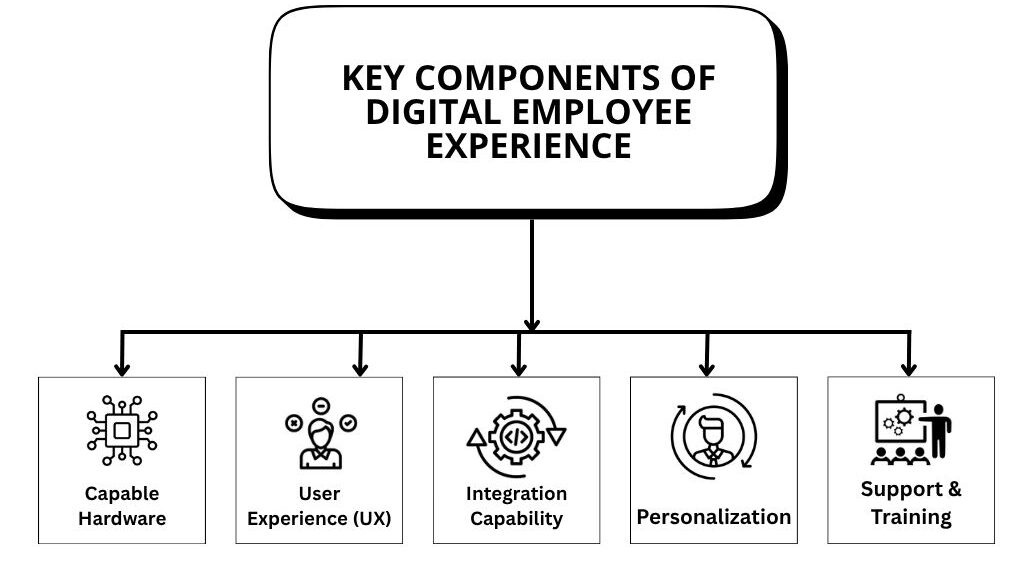
Key Components of Digital Employee Experience
The success of any DEX isn’t accidental—it comes down to five essential components that collectively define how efficient, secure, and user-friendly it truly is:
Capable Hardware
Employees need reliable devices like laptops, tablets, and smartphones to perform their tasks effectively. When hardware is up-to-date and powerful, it reduces downtime and frustration, enabling employees to work efficiently.
Organizations that invest in quality hardware see better productivity and employee satisfaction, as employees can complete their work without technical issues.
User Experience (UX)
User experience (UX) focuses on how easy and enjoyable digital tools are to use. A positive UX means employees can navigate software and platforms with little effort, reducing frustration and increasing productivity.
Well-designed interfaces that prioritize simplicity and clarity help employees feel confident in using the technology provided. Companies that emphasize good UX often see higher employee engagement and satisfaction levels.
Integration Capability
Integration capability allows different tools and systems to work together seamlessly. When software applications can connect and share data, employees can access information quickly and easily. This interconnectedness streamlines workflows and reduces the need for manual data entry.
Organizations that prioritize integration can enhance overall efficiency and help employees focus more on their core tasks rather than navigating multiple systems.
Personalization
Personalization in the digital experience is important to meet individual employee needs and preferences. It creates a sense of ownership and satisfaction, leading to better performance and overall employee experience.
This can include customizable dashboards, personalized training programs, and adaptable workflows. When employees have tools that align with their specific roles and preferences, they feel more engaged and productive.
Support & Training
Support and training are vital components of a great DEX. Employees need ongoing help to troubleshoot issues and understand how to use digital tools effectively. With comprehensive training sessions and easy access to support resources, employees can maximize their use of technology.
A strong support system builds confidence and competence, leading to higher productivity and job satisfaction.
Benefits of Digital Employee Experience
A strong Digital Employee Experience (DEX) isn’t just about better tools — it directly impacts how people work, collaborate, and perform. When companies remove digital friction, employees spend less time fighting systems and more time doing meaningful work. Here are some of the biggest benefits organizations see when they prioritize DEX:
- Enhances customer experience: Organizations with better employee experience report stronger innovation, higher customer satisfaction, and up to 25% higher profits.
- Boosts productivity and efficiency: Most office workers say poor workplace technology affects their mood and productivity. A strong DEX removes friction, streamlines workflows, and helps employees focus on high-impact work instead of technical issues.
- Supports remote and hybrid work: Modern digital tools make communication, collaboration, and knowledge sharing seamless, so teams stay connected no matter where they work.
- Drives profitability: Companies with strong employee experience scores have seen profitability increase by up to 21% thanks to higher retention and productivity.
- Improves employee satisfaction: Easy-to-use tools reduce stress, increase engagement, and help employees feel valued and supported.
Tips for Creating Great Digital Employee Experience
A strong Digital Employee Experience (DEX) isn’t about more tools—it’s about removing friction. Winning companies in 2026 focus on clarity, usability, and continuous improvement to create workplaces that employees truly enjoy.
Define Clear Goals for Your DEX Strategy
Start by defining what you want your DEX strategy to achieve. It should connect directly to business goals like improving productivity, simplifying workflows, or strengthening collaboration across teams.
Look at your current tech stack and identify where friction exists. Simplifying tools, automating repetitive tasks, and improving communication channels can dramatically improve how employees get work done.
Get Stakeholder Buy-In Early
A successful DEX initiative needs support from leadership and key departments such as HR, IT, and operations. Without alignment, even the best strategy can struggle to move forward.
Explain the value of improving the digital workplace in simple terms. Regular updates, open communication, and feedback sessions help keep stakeholders engaged and ensure the initiative gets the resources it needs.
Build a Cross-Functional DEX Team
DEX is not just an IT project. It requires collaboration across departments that influence employee experience, including HR, internal communications, and team leaders.
A cross-functional team helps identify real workplace challenges and ensures solutions reflect how employees actually work. With regular collaboration, this team can quickly respond to problems and continuously improve the digital workplace.
Invest in Better Technology
Outdated or complicated tools can quickly create frustration for employees. When systems are slow or difficult to use, productivity drops and everyday tasks become harder than they should be.
Instead, invest in modern, intuitive tools that integrate well with your existing systems. Involving employees in testing and selecting these tools ensures the solutions genuinely improve their day-to-day work.
Provide Practical Training
Even the best digital tools won’t deliver results if employees don’t know how to use them properly. Clear and practical training helps teams adopt new systems faster and with less frustration.
Offer different training formats such as workshops, short online sessions, or peer-led demonstrations. When employees feel comfortable using new tools, they become more productive and confident in their work.
Collect Feedback and Continuously Improve
A great Digital Employee Experience evolves over time. Regularly asking employees about their experiences helps you understand what’s working and what needs improvement.
Use surveys, team discussions, and feedback sessions to gather insights. Acting on this feedback not only improves systems but also shows employees that their voices matter in shaping the digital workplace.
Best Digital Employee Experience Tools
1. Project Management & Productivity Tools
Project management and productivity tools like Asana, Trello, and Monday.com are essential for organizing tasks, tracking progress, and facilitating team collaboration.
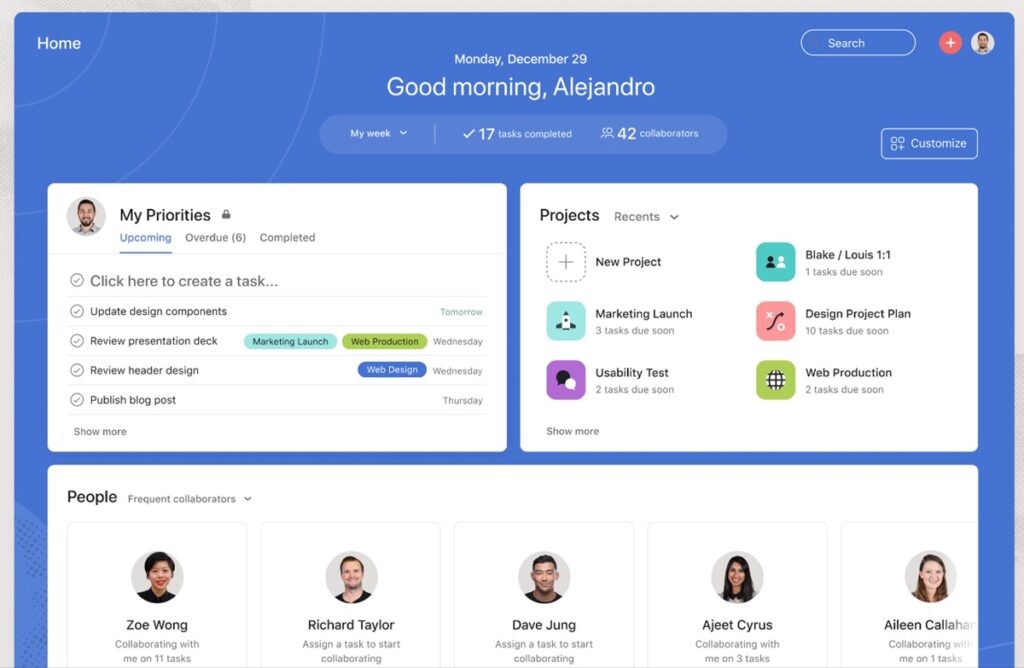
Image Source – Asana
These tools provide features such as task assignments, deadlines, and progress tracking, which streamline workflows and boost overall productivity. They are designed to be intuitive, ensuring team members can focus on their work without being bogged down by complex processes.
By centralizing project management, these tools help maintain transparency, enhance communication, and ensure that projects stay on track and meet deadlines.
2. Internal Communication Tools
Internal communication tools such as Slack, Microsoft Teams, and Zoom are vital for fostering seamless communication within organizations.
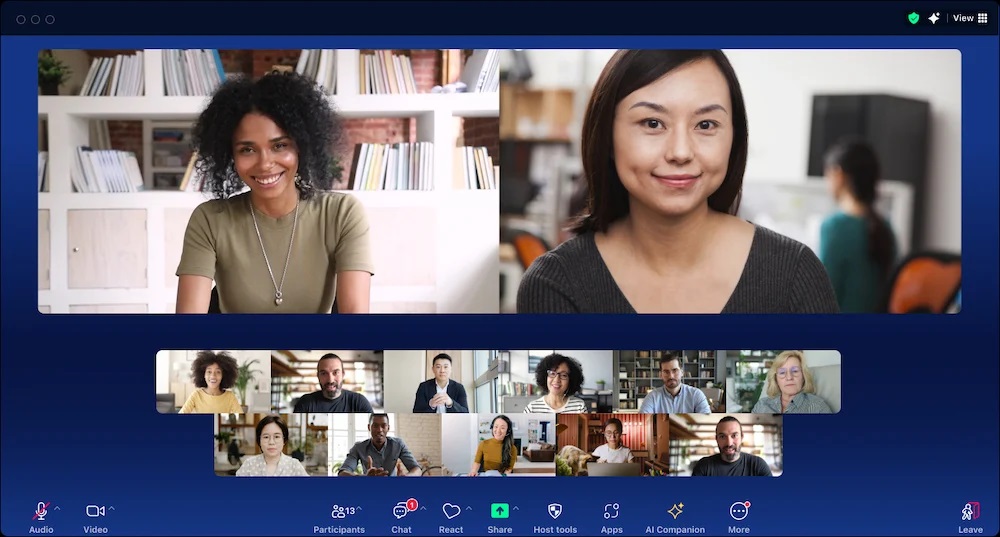
Image Source – Zoom
These platforms offer various features, including chat, video conferencing, and file-sharing capabilities, making it easier for employees to collaborate in real time, regardless of their location.
These tools help maintain a connected and engaged workforce, improving overall team coordination and productivity. By enabling instant communication and reducing email clutter, they facilitate quicker decision-making and enhance the overall efficiency of the organization.
3. HR & Payroll Systems
HR and payroll systems like ADP, Workday, and BambooHR automate and streamline essential HR processes, such as employee onboarding, benefits management, and payroll processing.
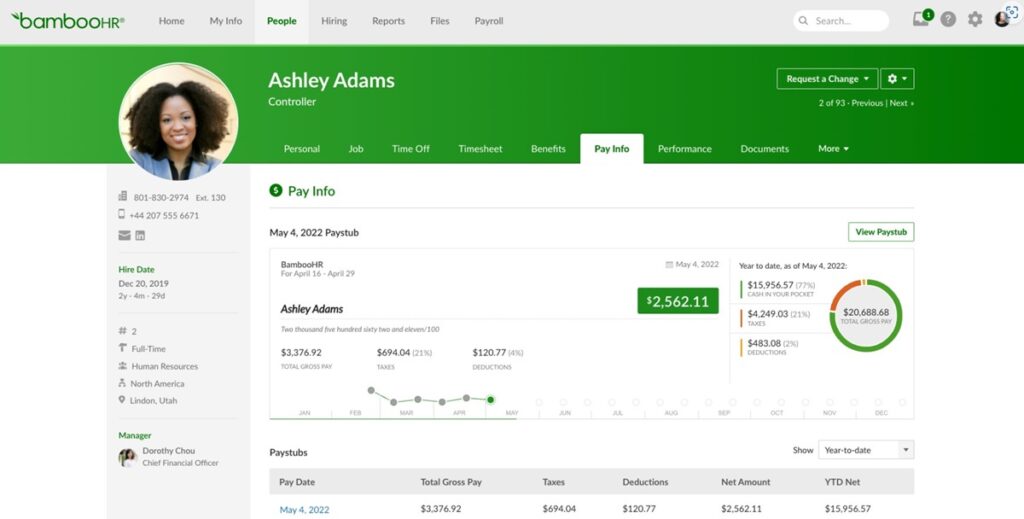
Image Source – BambooHR
These systems ensure accurate and timely payments while reducing the administrative burden on HR teams. They provide employees with easy access to their personal information, pay stubs, and HR services, enhancing their overall experience.
Additionally, these tools can offer valuable insights and analytics, helping HR professionals make informed decisions and improve workforce management.
4. Employee Reward & Recognition Platforms
Employee reward and recognition platforms like Bonusly, Kudos, and Nectar are really important for making employees feel good and motivated at work.
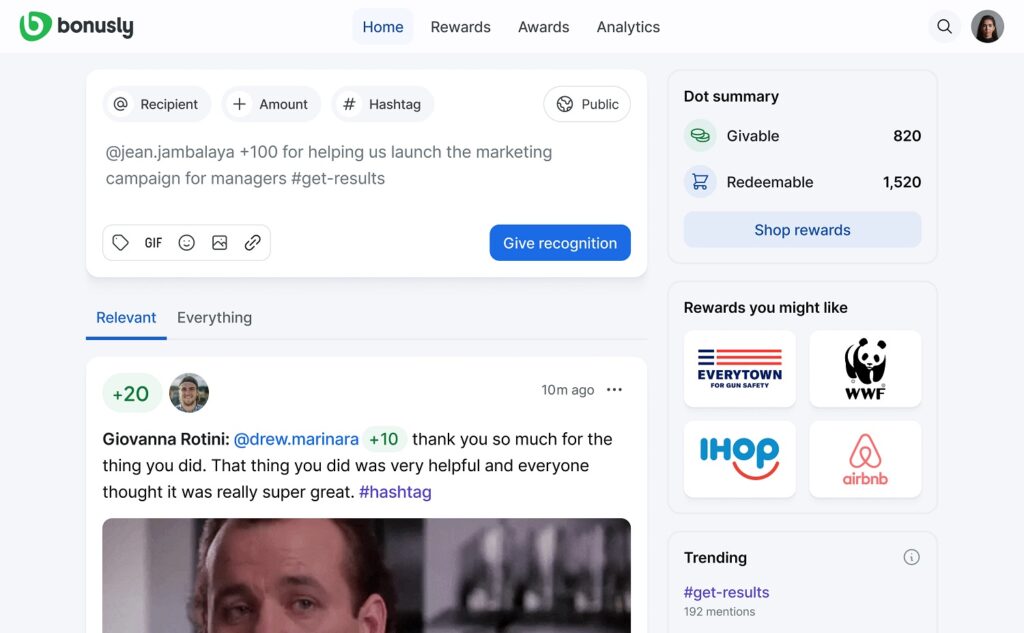
Image Source – Bonusly
Managers and coworkers can use these platforms to give praise and rewards for doing a good job, which helps create a culture of appreciation. They offer different kinds of rewards, like gift cards and special experiences, that can be personalized for each person.
By celebrating successes and important milestones, these tools help make the workplace a more positive and enjoyable place to be, which leads to happier employees who want to stick around.
5. Learning & Development Tools
Learning and development tools like Coursera, LinkedIn Learning, and Udemy for Business help employees learn new skills and move forward in their careers.

Image Source – Coursera
These platforms offer many different courses and training programs, so employees can learn at their speed and when it works best for them. Investing in learning and development tools shows that a company is dedicated to helping its employees grow, which leads to happier employees who stay with the company longer.
Common Challenges of Prioritizing Digital Employee Experience
Improving Digital Employee Experience sounds great in theory — but implementing it across an organization isn’t always simple. Most companies face a few common roadblocks along the way. Understanding these challenges early helps you plan better and build a DEX strategy that actually works.
- Budget constraints: Building a strong digital workplace requires meaningful investment. According to the State of the Digital Workplace study, 40% of the 1,350 executives and practitioners surveyed say budget constraints are the biggest barrier, up from 29% the previous year.
- Stakeholder buy-in: Leadership and teams may resist moving away from familiar systems. Convincing decision-makers to approve budgets—and helping employees embrace new tools—often requires clear communication and proof of value.
- Choosing the right tech stack: The tools you select must support employee needs and business goals while integrating smoothly. Poorly connected systems only create more friction.
- Change management: New digital tools often mean new workflows. Training employees and adapting processes takes careful planning to ensure a smooth transition.
Keep Improving Your Digital Employee Experience Strategy
Digital workplaces don’t stay effective by default—they evolve. As work environments and technologies continue to change, organizations need to keep improving how employees interact with their digital tools and systems.
The key is to continuously fix friction points while strengthening what already works. Regularly updating tools, simplifying workflows, and listening to employee feedback helps ensure your digital workplace supports productivity instead of slowing it down.
When companies stay flexible and open to improvement, their Digital Employee Experience stays relevant, efficient, and engaging. Over time, this creates a workplace where employees feel supported, work flows smoothly, and teams can adapt quickly to whatever comes next.