
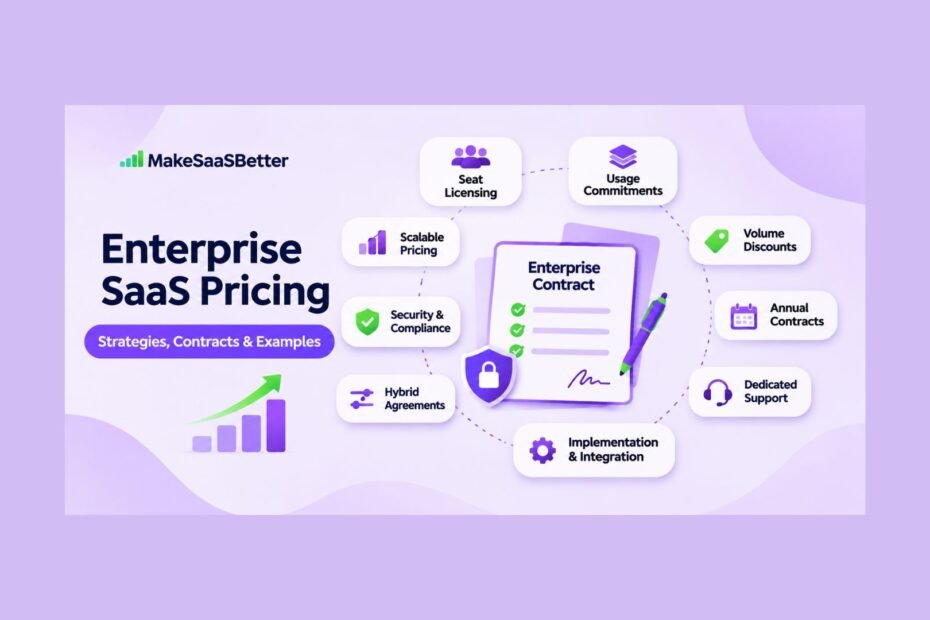
TL;DR (Quick Summary)
- Enterprise SaaS pricing involves customized contracts based on customer requirements, usage, and business value.
- Common pricing structures include seat-based licensing, usage commitments, platform fees, and hybrid agreements.
- Enterprise contracts often involve volume discounts, annual commitments, security requirements, and negotiated terms.
- Effective pricing strategies balance customer value, predictable revenue, implementation costs, and long-term profitability.
- Real-world examples show how SaaS companies structure enterprise pricing to support customer growth and expansion.
Enterprise SaaS pricing can be complex. Large customers want flexibility, predictable costs, and pricing that reflects their business needs. Finding the right balance between meeting these expectations and protecting your profitability can be difficult.
According to West Monroe’s 2026 Enterprise Software & AI Spend research, 33% of surveyed enterprise software buyers preferred fixed enterprise subscriptions when purchasing AI solutions, while 24% preferred usage-based pricing.
Getting your enterprise pricing right can help you deliver value to customers, encourage long-term commitments, and support sustainable revenue growth.
In this guide, we’ll look at how enterprise SaaS pricing works, explore real-world examples, and explain how to negotiate and structure profitable enterprise agreements.
What Is Enterprise SaaS Pricing?
Enterprise SaaS pricing refers to how software companies charge large organizations for their solutions. Rather than relying entirely on fixed subscription plans, enterprise pricing often involves customized quotes, negotiated contracts, and agreements based on user numbers, usage, or specific business requirements.
Enterprise customers may also need additional features such as advanced security, dedicated support, integrations, and implementation assistance. These requirements can influence the overall contract value.
SaaS companies need to remain flexible while maintaining predictable revenue. Enterprise contracts may include annual or multi-year agreements, minimum spending commitments, and negotiated discounts.
Understanding your business customers and their purchasing requirements is essential when developing a sustainable pricing strategy. For more context, see our B2B SaaS Guide.
Why Enterprise SaaS Pricing Is Different
Enterprise SaaS pricing is generally more complex than standard subscription pricing because purchasing decisions involve multiple stakeholders, larger budgets, and specific business requirements.
Enterprise customers often involve finance, IT, procurement, legal, and security teams in the purchasing process. Each department has different priorities, from implementation costs and data security to contract flexibility and overall business value.
According to G2’s 2026 Buyer Behavior Report, 50% of enterprise buyers identified IT security reviews as their biggest source of delay after selecting a software vendor.
Enterprise customers also want pricing that allows them to expand their teams and increase product usage. For SaaS providers, the challenge is accommodating these changes while maintaining predictable revenue and profitability.
Understanding these differences helps companies create enterprise agreements that meet customer needs without introducing unnecessary financial or operational risks.
How Enterprise SaaS Pricing Is Structured
Enterprise SaaS pricing often combines several commercial elements rather than relying on a single subscription fee. The final cost depends on the organization’s size, expected usage, required features, and agreed contract terms.
Here are five common elements used in enterprise SaaS agreements.
1. Minimum Contract Commitments
Enterprise customers may agree to a minimum annual or multi-year spending commitment. This gives SaaS providers greater revenue visibility while helping customers negotiate more favorable rates.
2. Seat Commitments
Some enterprise contracts specify a minimum number of user licenses. As teams grow, customers can add more seats, although this may increase their overall contract value.
3. Usage Allowances
Contracts may specify how much of a service customers can consume, such as data processing capacity or API calls. If usage exceeds the agreed allowance, additional charges may apply.
4. Platform Fees
A platform fee covers access to the core software. Additional charges may apply for advanced features, integrations, implementation, or premium support.
5. Hybrid Contracts
Hybrid agreements combine different pricing elements, such as a base subscription fee, seat commitments, and variable usage charges. This allows SaaS providers to tailor agreements to different customer requirements.
The right structure should give enterprise buyers a clear understanding of their costs while helping SaaS providers maintain predictable revenue and sustainable growth.
5 Real-World Enterprise SaaS Pricing Examples
Enterprise SaaS companies take different approaches to pricing depending on their customers, products, and operational complexity. Here are five examples worth examining.
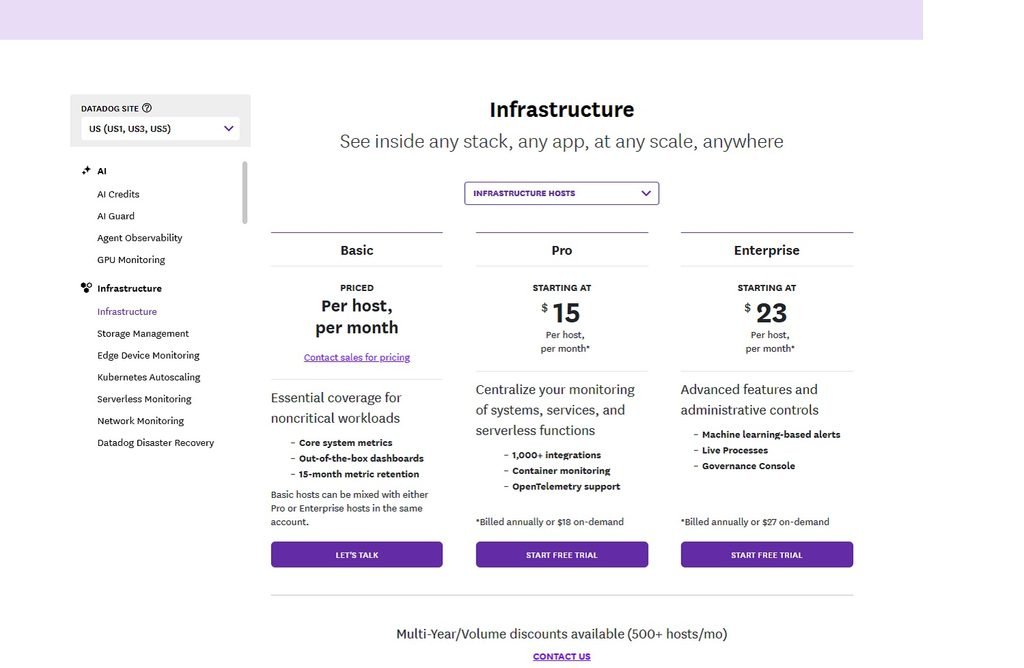
1. Datadog – Usage-Based Infrastructure Pricing
Datadog combines infrastructure monitoring subscriptions with usage-based charges across its products.
Its Infrastructure Enterprise plan includes advanced monitoring and administrative capabilities. Additional services, such as container monitoring and custom metrics, have separate billing structures.
This allows enterprise customers to expand their monitoring capabilities as their infrastructure grows. However, changing usage can also affect overall spending.
Key takeaway: Usage-based enterprise pricing should connect charges to measurable consumption while helping customers anticipate additional costs.
2. Freshdesk – Transparent Enterprise Pricing
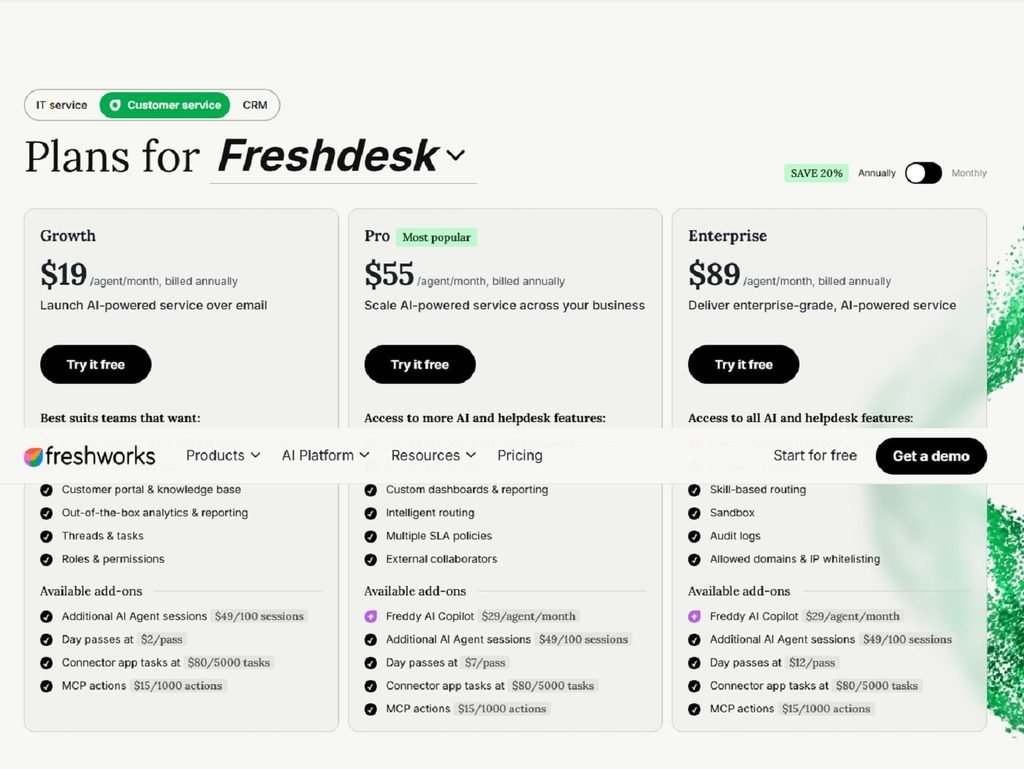
Freshdesk offers a publicly listed Enterprise plan with per-agent licensing and advanced customer support capabilities.
The plan includes features such as skill-based routing, audit logs, and security controls. Customers can also purchase additional AI capabilities and usage allowances.
By separating its core subscription from optional services, Freshdesk helps enterprise buyers understand what is included and where additional charges may apply.
Key takeaway: Transparent enterprise pricing helps customers understand their subscription costs and evaluate additional features.
3. Atlassian (Jira) – Annual Enterprise Licensing
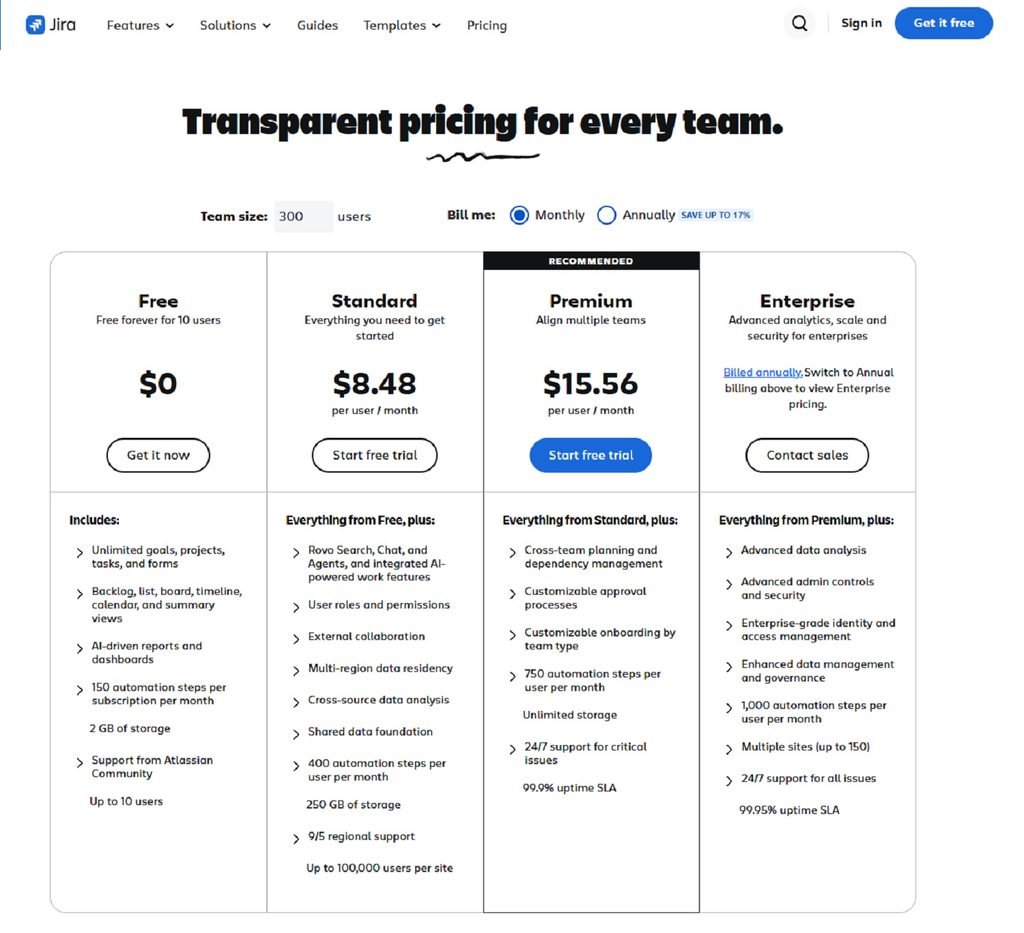
Atlassian’s Jira offers an Enterprise plan for organizations managing projects across multiple teams and departments.
Its enterprise offering uses annual subscriptions and provides advanced administration, security, analytics, and support capabilities.
Annual licensing helps organizations plan their software spending while accommodating larger deployments and user requirements.
Key takeaway: Annual enterprise agreements can provide predictable revenue while meeting the governance needs of larger organizations.
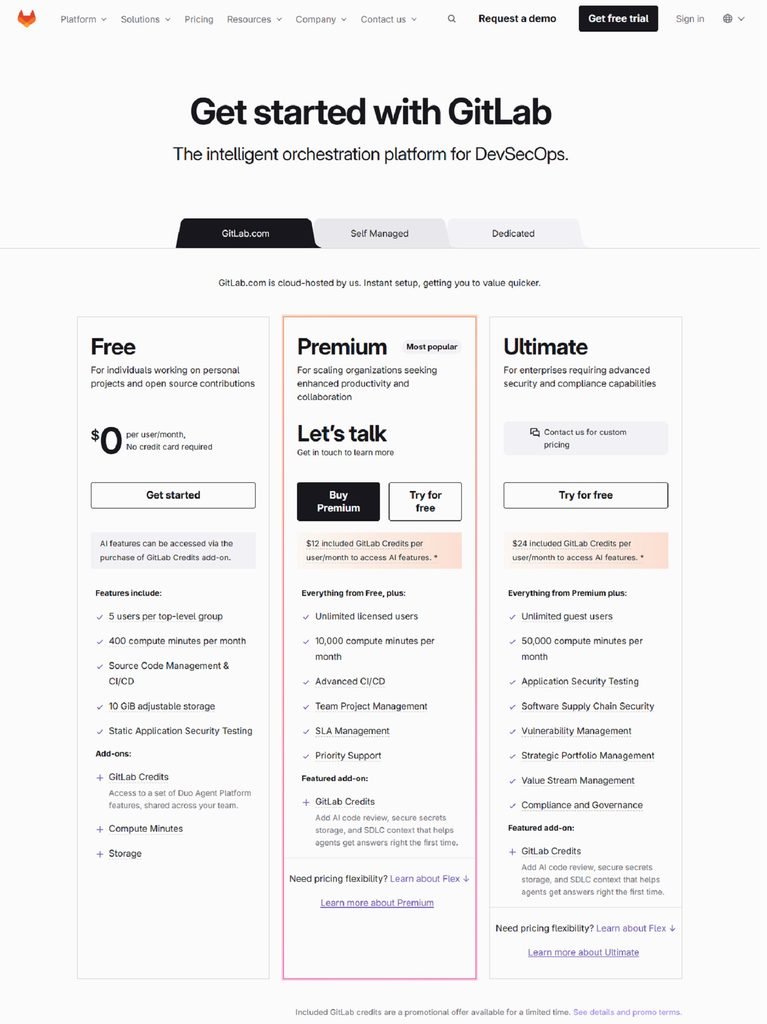
4. GitLab – Enterprise Licensing and Flexible Commitments
GitLab offers an Ultimate plan for organizations requiring advanced security, compliance, and software development governance.
Its enterprise offering uses custom pricing. GitLab also offers GitLab Flex, which allows organizations to allocate committed spending across eligible seats and GitLab Credits.
This gives enterprise customers greater flexibility as their development and AI requirements change.
Key takeaway: Flexible spending commitments can help enterprise customers adapt their software investments while maintaining long-term agreements.
5. Cloudflare – Custom Enterprise Contracts
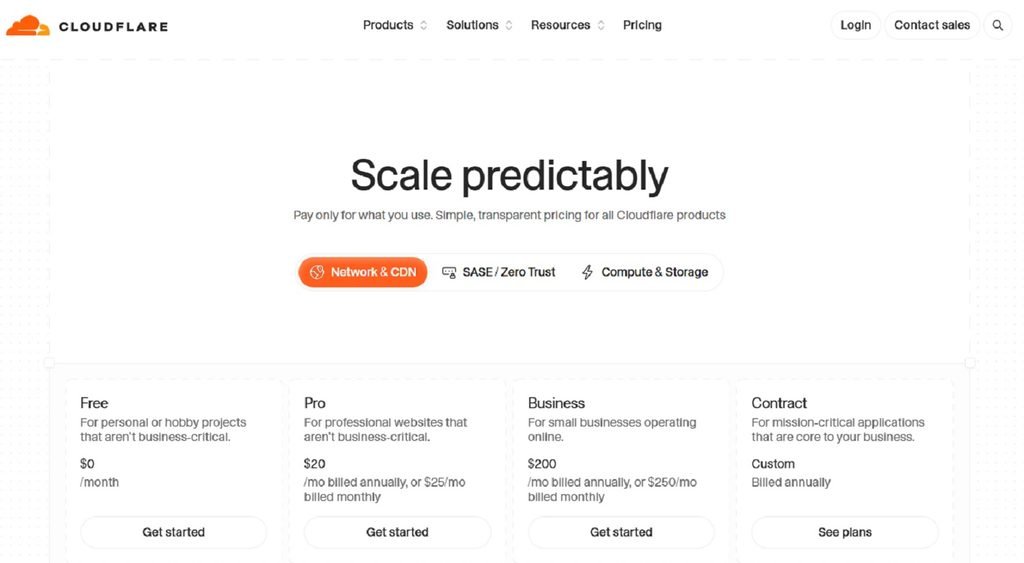
Cloudflare offers standard subscription plans alongside custom enterprise contracts for organizations with complex security and performance requirements.
Its enterprise offerings include advanced capabilities, support arrangements, and service commitments suited to larger deployments.
Customers can discuss their infrastructure requirements and commercial arrangements directly with Cloudflare rather than relying on a single standardized enterprise package.
Key takeaway: Custom enterprise contracts allow SaaS providers to accommodate complex customer requirements while establishing clear commercial commitments.
How to Build an Enterprise SaaS Pricing Strategy
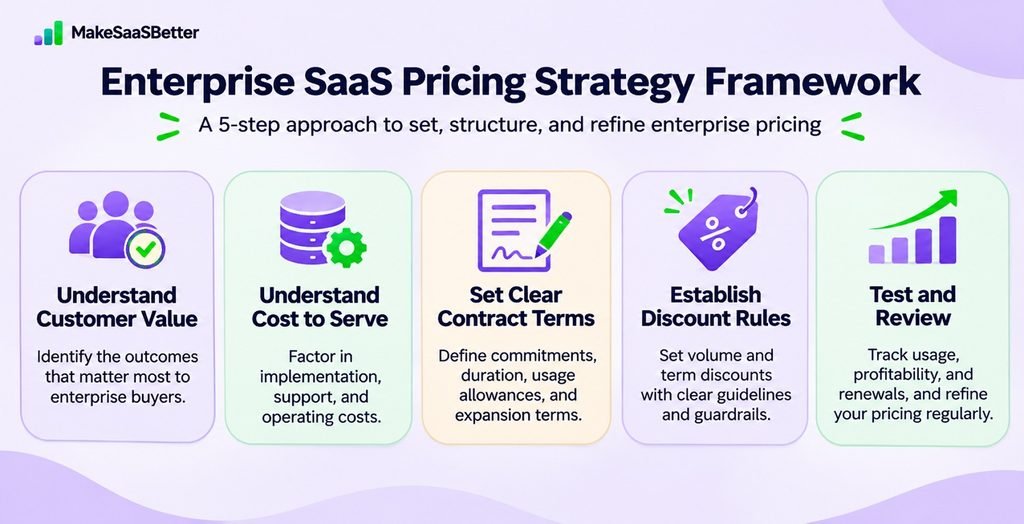
A strong enterprise SaaS pricing strategy starts with understanding the value your product delivers, what it costs to provide, and the commercial commitments needed to maintain profitability.
Here are five practical steps to consider.
1. Understand What Enterprise Customers Value
Identify the benefits your software provides, such as improved productivity, lower operating costs, or stronger security. Speak with enterprise buyers to understand which outcomes matter most to them.
2. Understand Your Cost to Serve
Consider infrastructure, implementation, integrations, customer support, and account management costs. These can vary significantly between enterprise customers and should influence your pricing decisions.
3. Set Clear Contract Terms
Define minimum spending commitments, contract duration, usage allowances, and expansion terms. Your agreements should support recurring revenue without unnecessarily restricting customer growth.
For a broader overview of different charging approaches, see our B2B SaaS Pricing Models guide.
4. Establish Discounting Rules
Set clear guidelines for volume discounts, longer contracts, and negotiated pricing. Consider whether each discount is justified by the customer’s commitments, contract value, and expected profitability.
5. Test and Review Your Pricing
Gather customer feedback and regularly review contract profitability, usage patterns, and renewal performance.
According to DigitalRoute’s From Usage to Revenue 2026 research, 75% of surveyed organizations using usage-based monetization experienced customer disputes over usage charges at least occasionally.
This highlights the importance of clear billing terms and accurate usage tracking in enterprise agreements.
Regular pricing reviews can help you remain competitive while keeping your agreements understandable and profitable.
Enterprise SaaS Contract Negotiation and Discounts
Enterprise SaaS deals often involve negotiations over pricing, contract duration, and future expansion. The goal is to create an agreement that delivers customer value without compromising long-term profitability.
Volume discounts can encourage larger purchases, while longer contracts can provide more predictable revenue. However, SaaS providers should ensure these concessions are justified by the customer’s commitments.
Renewal terms also deserve attention. According to Common Paper’s 2026 SaaS Contract Benchmark Report, only 13% of analyzed cloud service agreements included automatic fee increases, down from 23% in 2024.
Contracts should also explain how additional users, increased usage, or new features will affect pricing.
Clear renewal clauses, reasonable discount policies, and well-defined expansion terms can reduce disputes and support stronger enterprise customer relationships.
Common Enterprise SaaS Pricing Mistakes
Even a well-planned enterprise pricing strategy can create problems if important costs or contract terms are overlooked.
- Underpricing implementation and support: Failing to account for onboarding, integrations, and dedicated customer support can reduce profit margins.
- Offering excessive discounts: Providing large discounts without meaningful customer commitments can weaken profitability.
- Setting unclear usage limits: Poorly defined allowances and overage charges can lead to unexpected bills and customer disputes.
- Neglecting renewal planning: Overlooking price adjustments, contract deadlines, and expansion opportunities can limit future revenue.
Avoiding these mistakes helps SaaS companies protect their margins and build sustainable enterprise customer relationships.
Conclusion
Enterprise SaaS pricing can be challenging, especially when you’re trying to balance customer expectations with long-term profitability.
As we’ve discussed, understanding customer requirements, delivery costs, contract commitments, and future expansion opportunities is essential to building a successful pricing strategy. Whether you use consumption-based pricing, annual licensing, or custom enterprise agreements, your approach should deliver value to customers while supporting your business goals.
Don’t treat pricing as a one-time decision. Regularly review how customers use your product, whether contracts remain profitable, how renewals are performing, and where customer needs are changing. These insights can help you identify opportunities to improve your agreements.
Before finalizing your next enterprise contract, ask yourself:
Does our pricing reflect the value customers receive while giving us enough flexibility to grow sustainably?
The answer can guide your next pricing decision.
Frequently Asked Questions
1. What is enterprise SaaS pricing?
Enterprise SaaS pricing involves customized software agreements based on organizational requirements, usage, licensing, and contract commitments.
2. Why do enterprises use custom pricing?
Custom pricing accommodates different user counts, security requirements, integrations, support needs, and deployment complexity.
3. What is the difference between enterprise and standard SaaS pricing?
Standard SaaS pricing typically offers predefined plans, while enterprise pricing often involves negotiated terms, additional capabilities, and larger commitments.
4. How often should enterprise SaaS pricing be reviewed?
Review pricing annually and before major contract renewals, especially when customer usage, delivery costs, or market conditions change.
5. What affects the price of enterprise SaaS?
The price depends on the number of users, the SaaS product and features you need, security requirements, implementation complexity, the level of support required, and the length of your contract.
