
The world moves fast. Information moves even faster. Every second, your audience is hit with new data, opinions, and demands. If your message can’t cut through that noise, it disappears. In 2026, communication isn’t about saying more—it’s about saying the right thing, clearly and at the right moment.
Customers notice when things don’t line up. 79% expect a seamless experience across departments, yet 55% feel like they’re dealing with separate companies instead of one brand. When marketing, sales, and support send mixed signals, trust breaks quickly—and confused customers rarely stick around.
Inside companies, the cost is massive. Miscommunication drains $1.2 trillion from U.S. businesses every year, while organizations that communicate well see 4.5× higher employee retention. The lesson is simple: when people understand the mission and the message is clear, they stay, contribute, and move the business forward.
What Is Strategic Communication?
Strategic communication isn’t random. It’s not just about “getting the word out.” It’s about delivering the right message to the right people to achieve a clear outcome—whether that’s selling a product, shaping perception, or aligning a team.
At its core, it’s a system. You define the audience, decide what you want them to think or do, choose the best channel, and then measure the results. Plan, communicate, evaluate, and improve. That cycle is what turns ordinary messaging into strategic communication.
In 2026, this approach goes far beyond public relations. It shapes marketing campaigns, internal communication, investor messaging, and crisis management. Every message serves a purpose—and moves the organization closer to its goals.
Importance of Strategic Communication
Strategic communication matters because it builds trust and clarity. When messages are clear and consistent, customers, employees, and partners understand your direction and believe in it. But when communication breaks down, confusion grows, and trust quickly weakens.
Inside organizations, the impact is just as real. Employees who understand the bigger picture are more engaged and productive. Without that clarity, communication breakdowns lead to misunderstandings, slow decisions, and teams moving in different directions.
In today’s fast, always-connected world, even a small communication breakdown can damage reputation. That’s why strategic communication isn’t optional in 2026—it’s a critical system that keeps organizations aligned, trusted, and moving forward.
Types of Strategic Communication
Strategic communication takes different forms depending on the goals, audience, and context of an organization. Each type focuses on delivering clear, purposeful messages that align actions with long-term objectives and influence perception effectively.
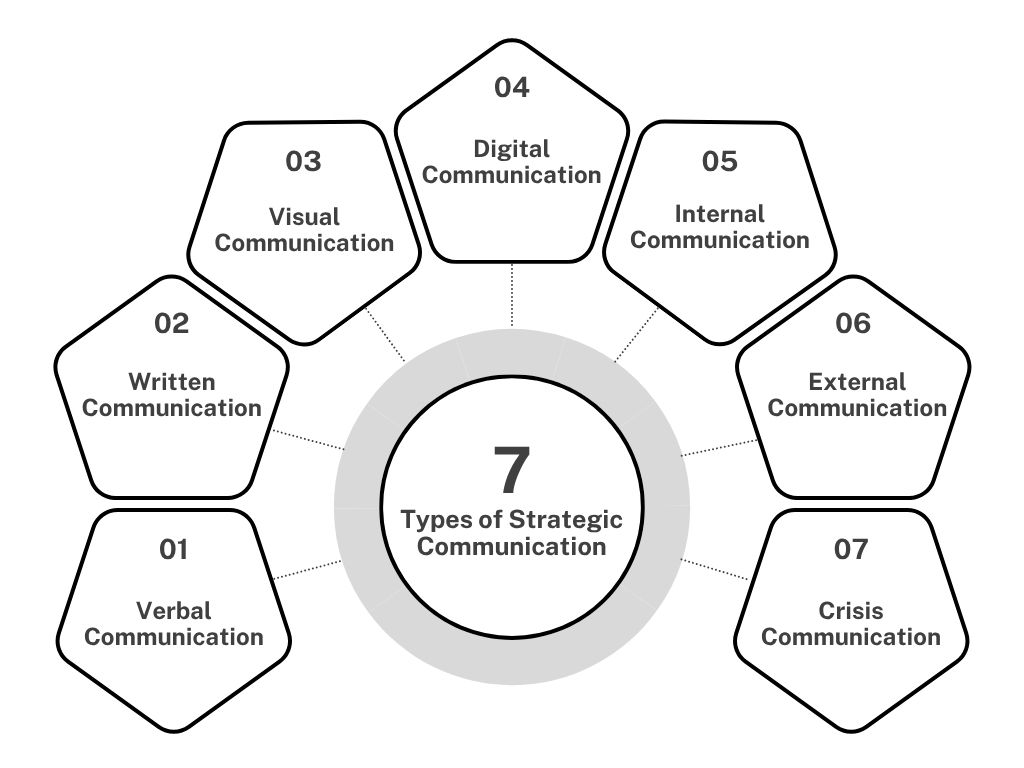
1. Verbal Communication

This is the spoken word. It’s meetings, presentations, one-on-one talks, and phone calls. It’s immediate. You get real-time reactions. The power here is human connection. Your tone, your pace, your body language – they add layers to the message. A calm, steady voice in a crisis is more reassuring than frantic shouts.
A well-delivered presentation can persuade where a flat email fails. It’s about presence. This includes oral communication, where the immediacy of direct speech allows for nuanced interactions, questions, and immediate feedback, fostering deeper understanding and connection.
2. Written Communication

This covers anything put into text. Emails, reports, social media updates, press releases, blog posts. Its advantage? Permanence. It creates a record. People can refer back to it. It’s good for complex details or instructions.
But precision is key. Without the nuance of voice, words can be misread. A poorly worded email can cause massive headaches. Clarity and conciseness are non-negotiable here.
3. Visual Communication

Images. Videos. Graphics. Infographics. Design. This is communication that hits you without words. Your brand’s logo. The colors on your website. A powerful photograph. Visuals grab attention faster than text. They convey emotion. They simplify complex data.
Think about how a simple chart can explain a trend in seconds. Visual communication isn’t just pretty. It’s powerful. It creates an instant impression.
4. Digital Communication

This encompasses all forms of electronic communication, from websites and apps to social media and online advertising. It’s about leveraging technology to reach audiences instantly, globally, and interactively.
The beauty of digital communication lies in its reach and its measurability, allowing for instant feedback and rapid iteration, but it also demands constant vigilance against misinformation and the ever-present threat of noise.
5. Internal Communication

These are messages within an organization. It’s for your team. It keeps employees informed, motivated, and aligned. This includes company updates, policy changes, mission statements, and employee recognition.
A recent survey found that companies with effective internal communication see a 25% higher productivity rate. When your team knows the mission and their part in it, they perform better. It builds culture. This is also a critical component of corporate communication, ensuring that the vision, values, and strategic goals are clearly articulated and understood throughout the organization.
6. External Communication

This is communication to the outside world. Customers, investors, the media, and the public. It includes marketing, advertising, public relations, and sales communication. This shapes public perception. It drives sales. It builds your brand’s reputation. Every advertisement, every press release, every customer service interaction is external communication. It’s your public face.
A significant part of this is marketing communication, which is specifically designed to promote products, services, or brands to target audiences, aiming to influence purchasing decisions and build brand equity.
7. Crisis Communication

This is the emergency response plan. When something bad happens – a product recall, a scandal, an unexpected downturn – you need to speak. Crisis communication is about managing the narrative. It’s about honesty, speed, and showing control.
The goal is to limit damage, protect reputation, and maintain trust. A well-handled crisis can strengthen a brand. A poorly handled one can sink it.
Key Skills and Techniques in Strategic Communication
Strategic communication doesn’t happen by accident. It depends on a few essential skills that keep messages clear, relevant, and effective. In 2026, strong communicators focus on precision, audience connection, and the ability to adapt quickly.
- Clear and concise messaging: Use simple words and short sentences. Cut the fluff so the message is easy to understand and act on.
- Audience understanding: Know who you’re speaking to—their needs, concerns, and expectations—and shape the message around them.
- Active listening: Pay attention, ask questions, and use feedback to refine your communication.
- Storytelling: Turn information into narratives that people remember and connect with.
- Channel selection: Deliver messages through the platforms where your audience actually engages.
- Adaptability: Stay flexible and adjust your strategy as audiences, tools, and situations evolve.
Common Challenges in Strategic Communication
Even the best communication strategies face obstacles. In 2026, the challenge isn’t just sending messages—it’s making sure they’re clear, consistent, and actually understood. When these issues aren’t managed well, they often lead to communication breakdowns across teams and audiences.
- Information overload: People are flooded with emails, notifications, and content. Cutting through the noise and staying memorable is harder than ever.
- Lack of clarity: Vague language, jargon, or poorly structured messages create confusion and mistakes.
- Inconsistent messaging: When departments send mixed signals, trust erodes and communication breakdowns begin.
- Resistance to change: New ideas, policies, or strategies often face pushback, making communication more challenging.
- Measuring impact: Without clear metrics, it’s difficult to know whether communication efforts actually worked.
- Siloed communication: When teams operate separately, information gets lost, distorted, or delayed.
Best Practices for Effective Strategic Communication
Strategic communication works best with clear principles—without them, messaging becomes inconsistent and ineffective. In 2026, successful organizations use proven practices to keep communication focused, measurable, and aligned with business goals.
Define Clear Goals
Every message should start with a clear objective. Ask yourself: what should the audience think, feel, or do after hearing this? Specific goals—such as increasing engagement, improving awareness, or reducing complaints—give communication a clear direction.
They also make it easier to measure results and determine whether the message actually worked.
Know Your Audience Inside Out
Effective communication begins with deep audience understanding. Go beyond basic demographics and explore motivations, challenges, and expectations.
What problems are they trying to solve? What language do they respond to? When you understand your audience clearly, you can craft messages that feel relevant, meaningful, and easier to act on.
Be Consistent
Consistency builds recognition and trust. When different teams or channels deliver mixed messages, confusion quickly follows. Maintaining a unified voice across marketing, internal communication, and public messaging ensures clarity.
Over time, consistent communication strengthens brand identity and helps audiences clearly understand what your organization stands for.
Be Transparent
Transparency strengthens credibility. Instead of hiding problems or avoiding difficult conversations, strong communicators address issues openly and honestly. Clear explanations and straightforward messaging build long-term trust with employees, customers, and partners.
In a world where information spreads instantly, honesty is often the most reliable communication strategy.
Get Feedback
Strategic communication should never be one-sided. Encourage feedback through surveys, discussions, and direct conversations. Listening carefully reveals whether your message was understood and how people truly perceive it.
This insight helps organizations refine their messaging and ensure future communication resonates more effectively with the intended audience.
Measure and Adapt
Communication strategies should evolve based on real data. Track engagement, responses, and behavioral changes to understand what works and what doesn’t. Analytics tools, surveys, and performance metrics provide valuable insights.
By learning from these results and adjusting the approach, organizations can continuously improve the impact of their communication efforts.
Best Strategic Communication Tools
1. Messaging Platforms
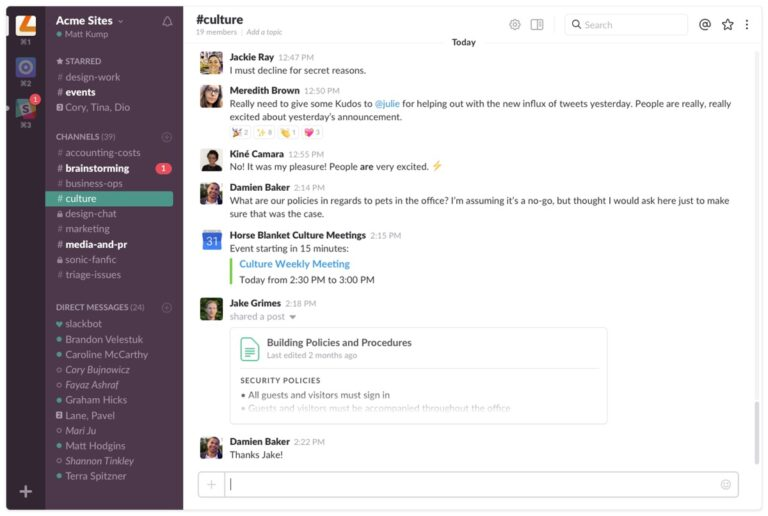
Source – Slack
Slack. Microsoft Teams. Discord. These are for quick, real-time communication tools within teams. They cut down on endless emails. They facilitate instant information sharing and collaboration. They keep conversations focused and accessible. Essential for internal agility.
2. Video Conferencing Tools
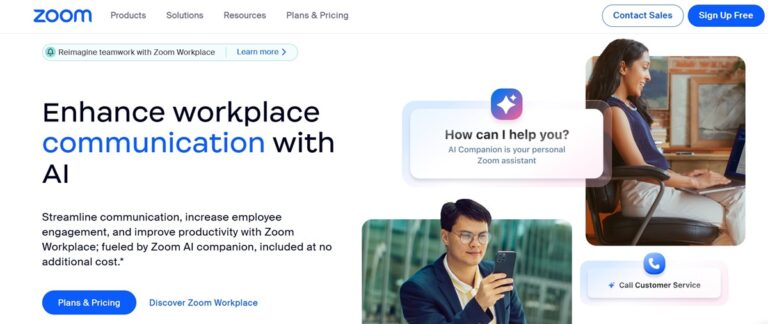
Source – Zoom
Zoom. Google Meet. These bridge geographical gaps. They allow for face-to-face meetings, presentations, and even casual check-ins. They add a personal dimension to remote work and build stronger connections than text alone. They make the remote feel less remote.
3. Project Management Software

Source – Asana
Asana. Trello. Monday.com. These tools organize tasks, deadlines, and responsibilities. They centralize communication around specific projects. Everyone knows who is doing what, when it’s due, and where things stand. This prevents miscommunication and keeps projects moving.
4. Email Marketing Platforms

Source – EmailAnalytics
EmailAnalytics. Mailchimp. HubSpot. These are for broadcasting messages to larger external audiences. They allow for segmentation, personalization, and detailed analytics. Essential for nurturing leads, sharing newsletters, and running targeted campaigns. These are fundamental for effective marketing communication.
5. Social Media Management Tools

Source – Hootsuite
Buffer. Hootsuite. Sprout Social. These help you manage your social media presence across multiple platforms. Schedule posts, monitor mentions, and analyze performance. They ensure your social voice is consistent and active without constant manual effort.
6. Internal Communication Platforms
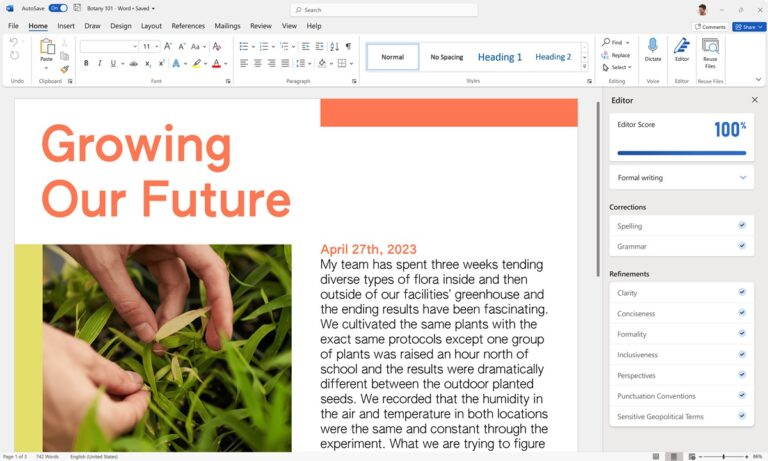
Source – Miicrosoft 365
Google Workspace. Microsoft 365. Intranets. Dedicated employee apps. These are centralized hubs for company news, documents, HR resources, and employee directories. They ensure everyone has access to vital information and foster a sense of community within the organization. These are critical for effective corporate communication within the organization.
Examples of Strategic Communication
1. Apple’s Product Launches
Think about any Apple event. They are meticulously choreographed. The leaks are controlled. The visuals are stunning. The language is aspirational. They don’t just announce a new phone; they present a vision.
Every ad, every press release, every store display sings the same song of innovation and simplicity. It creates an entire ecosystem of desire. This is a masterclass in integrated marketing communication.
2. Nike’s “Just Do It” Campaign
Three words. That’s it. Yet, it became iconic. It’s not about shoes. It’s about spirit. About effort. About breaking limits. Nike consistently reinforces this message through powerful athlete endorsements and compelling visual storytelling.
They don’t sell products; they sell aspiration and achievement. It resonates globally. This is an iconic example of successful marketing communication.
3. Dove’s “Real Beauty” Campaign
This campaign was a direct challenge to the conventional beauty industry. Instead of airbrushed models, Dove featured diverse women with different body types and ages. The message was clear: beauty comes in all forms.
This connected deeply with consumers tired of unrealistic standards and generated massive positive public discussion. It shifted brand perception entirely.
4. Crisis Response: Tylenol in 1982
In 1982, cyanide-laced Tylenol pills caused deaths. Johnson & Johnson didn’t hesitate. They immediately pulled all Tylenol products from shelves nationally, issued warnings, and then introduced tamper-proof packaging.
Their communication was swift, transparent, and prioritized public safety above all else. This decisive action and honest communication rebuilt trust and saved the brand. It’s the gold standard for crisis management.
5. Employee Onboarding Programs
Consider a new hire’s first few weeks. A well-designed onboarding process uses strategic communication. Clear welcome messages, detailed training schedules, introductions to key team members, and explanations of company culture.
This isn’t random. It’s designed to make the new employee feel valued, understand their role, and quickly become a productive member of the team. It shapes their entire experience and future contribution.
Harnessing the Power of Strategic Communications
Strategic communication can transform how a company operates. When employees clearly understand company goals and feel included in the conversation, engagement increases. Engaged teams collaborate better, stay longer, and contribute more effectively to productivity and growth.
It also keeps the organization aligned. Clear internal communication helps employees understand the brand and mission, while tools like modern intranets ensure information flows smoothly across teams and locations.
Communication That Actually Moves People
Strategic communication isn’t corporate jargon—it’s the system that makes ideas land. In a world flooded with information, random messaging gets ignored while purposeful messaging gets attention. The difference is strategy: knowing exactly what to say, who to say it to, and why it matters.
Every message carries weight. An email, a post, a meeting, or a public statement—if it lacks direction, it simply adds to the noise. But when communication is intentional and aligned with clear goals, it builds trust, strengthens relationships, and drives real action.
In 2026, communication with purpose is a serious competitive advantage. Organizations that master it don’t just talk—they connect, influence, and lead. And when that happens, communication stops being routine and becomes a powerful force that turns ideas into results.
